
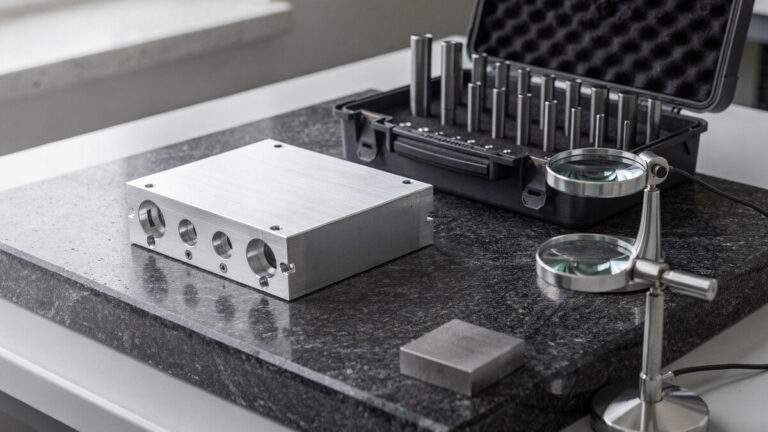
CNC Part Inspection Requirements: Defining What Gets Measured
CNC part inspection requirements: how to choose critical features, methods, sampling and reports so every supplier measures your parts the same way.
CNC part inspection requirements: how to choose critical features, methods, sampling and reports so every supplier measures your parts the same way.
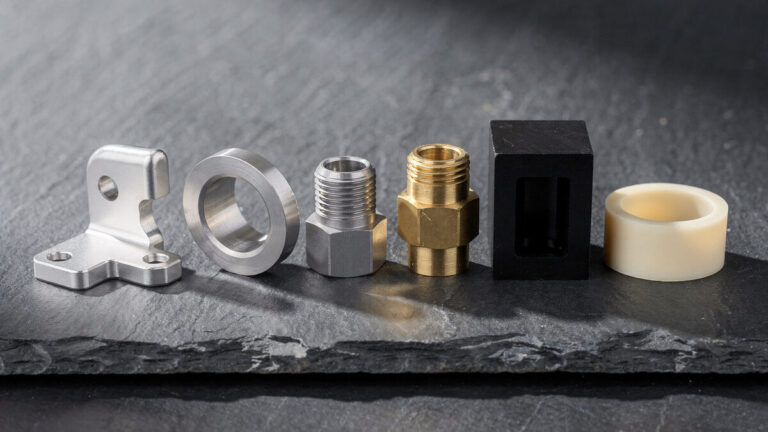
How to choose a CNC machining material: start from function and environment, then compare machinability, cost and documentation, and specify the grade.
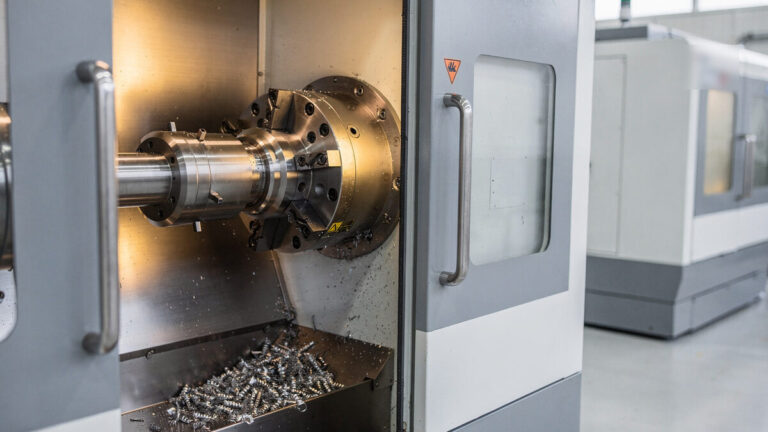
CNC milling vs turning: how each process works, which part features point to each, when mill-turn makes sense, and how the choice affects cost.
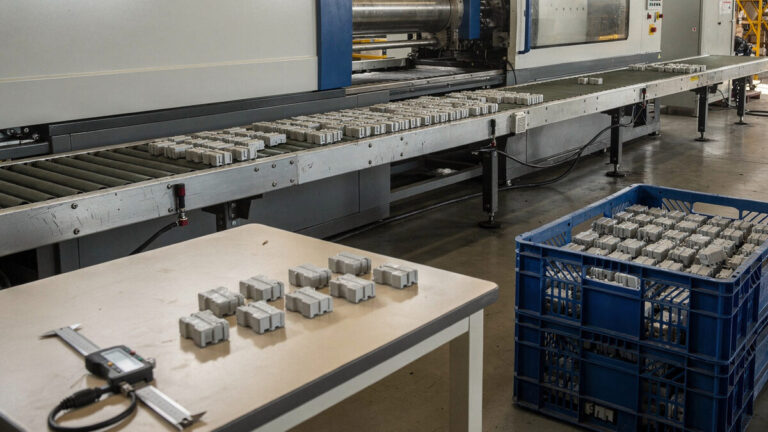
Injection molding quality control for production: control plans, in-process checks, resin lots, traceability and the records buyers should ask for.
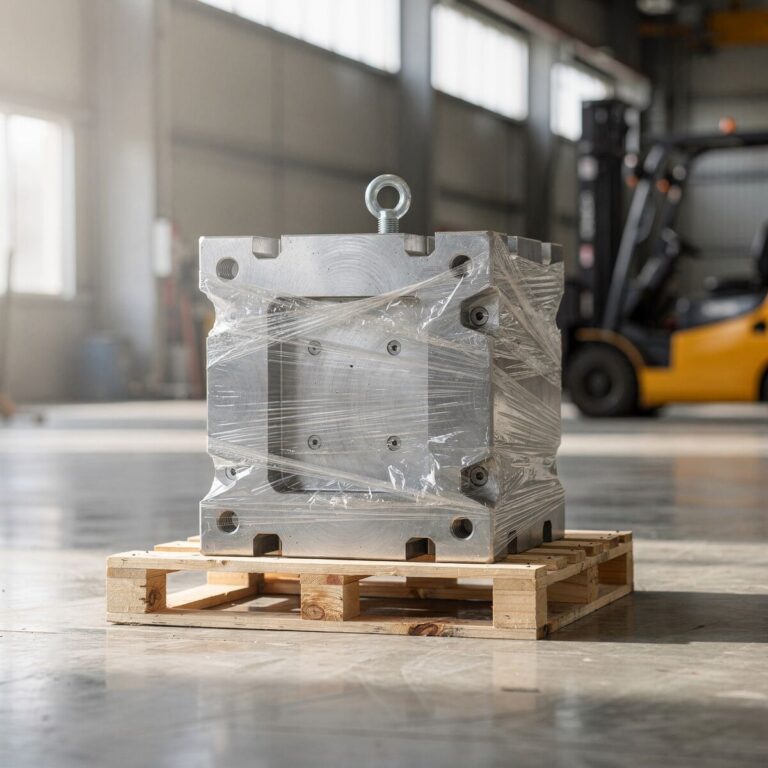
Moving an injection mold to a new molder? This mold transfer checklist covers tool condition, records, press fit, trial runs and requalification steps.
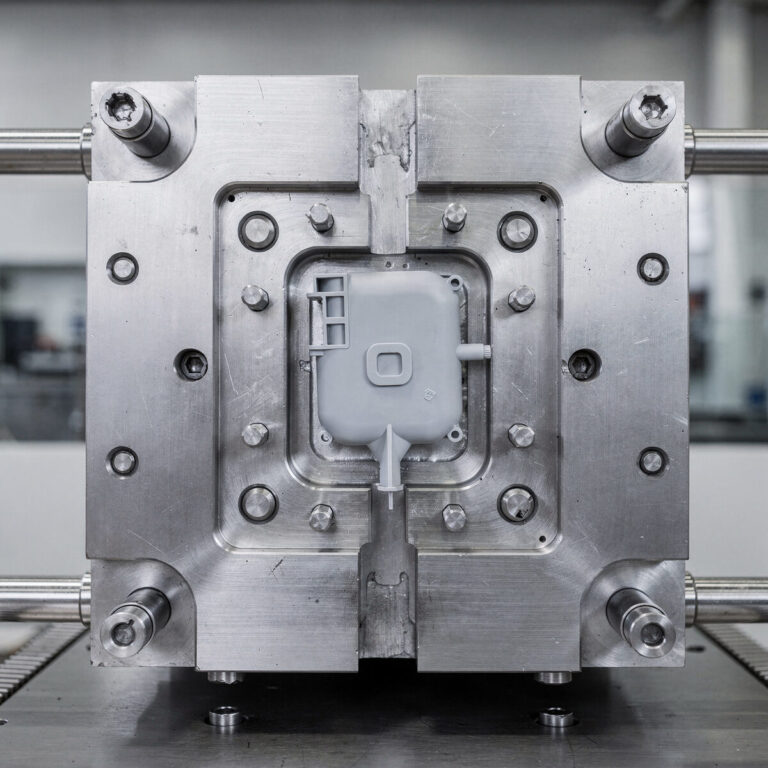
Injection mold trial and acceptance for buyers: T0/T1 trials, sample checks, dimensional reports and the sign-off steps before production release.
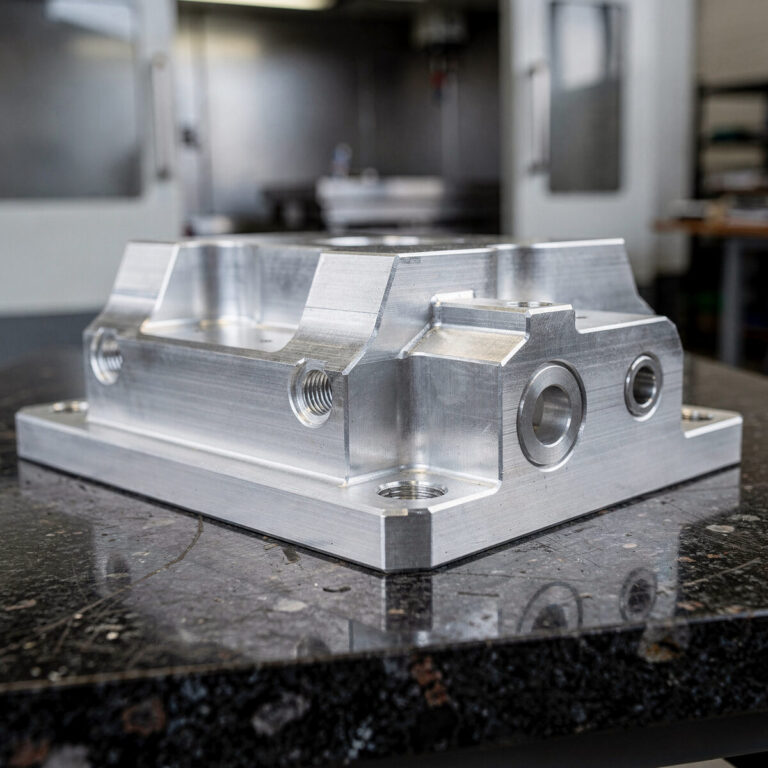
What a CNC machining quote is built from: drawings, material, tolerances, finish and quantity. A practical RFQ checklist for faster, comparable quotes.
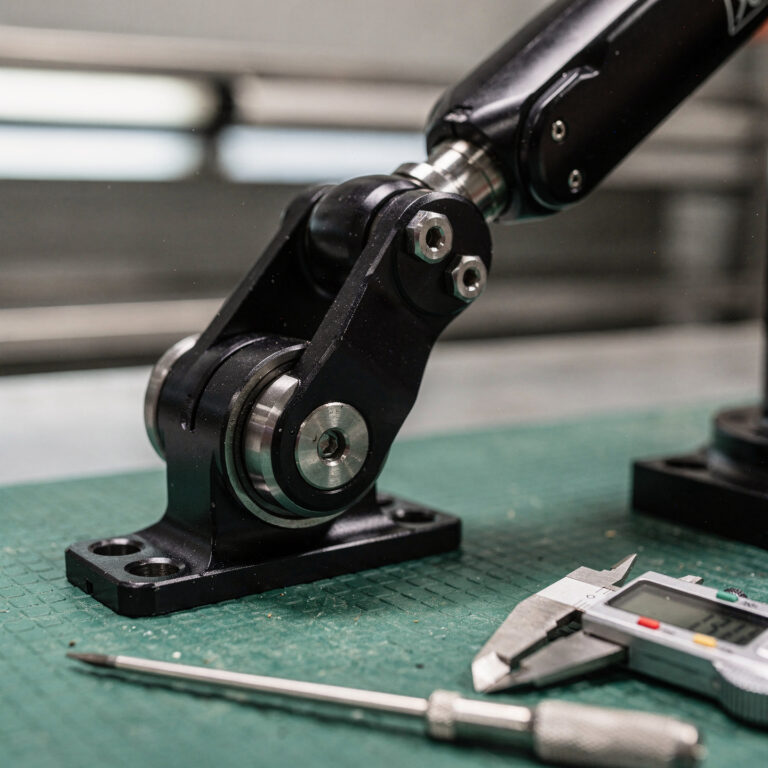
Specify robotic joints, brackets and housings around their assembly function, with clear datums, bearing fits and inspection requirements.
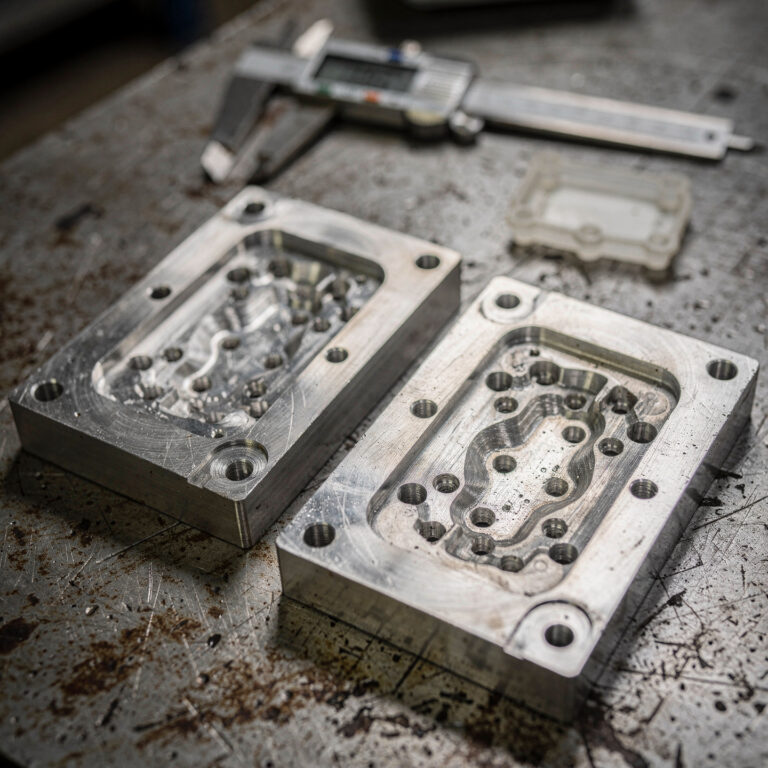
Choose a tooling route by what the molded parts must prove, how stable the design is, and what repeat production will require.
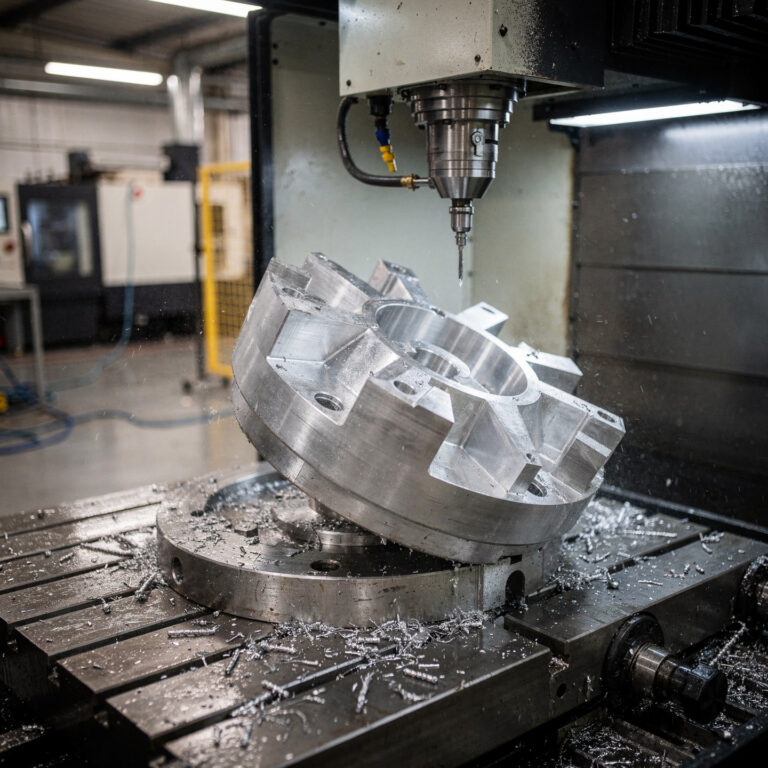
Decide when 5-axis machining helps with angled features, tool access and setup control, and what your drawing should specify.