
Othala Technology / Custom manufacturing
Energy industry components.
Manufacturing discussions for drawing-defined housings, interfaces and equipment parts. The application determines the acceptance requirements; the drawing determines the part.
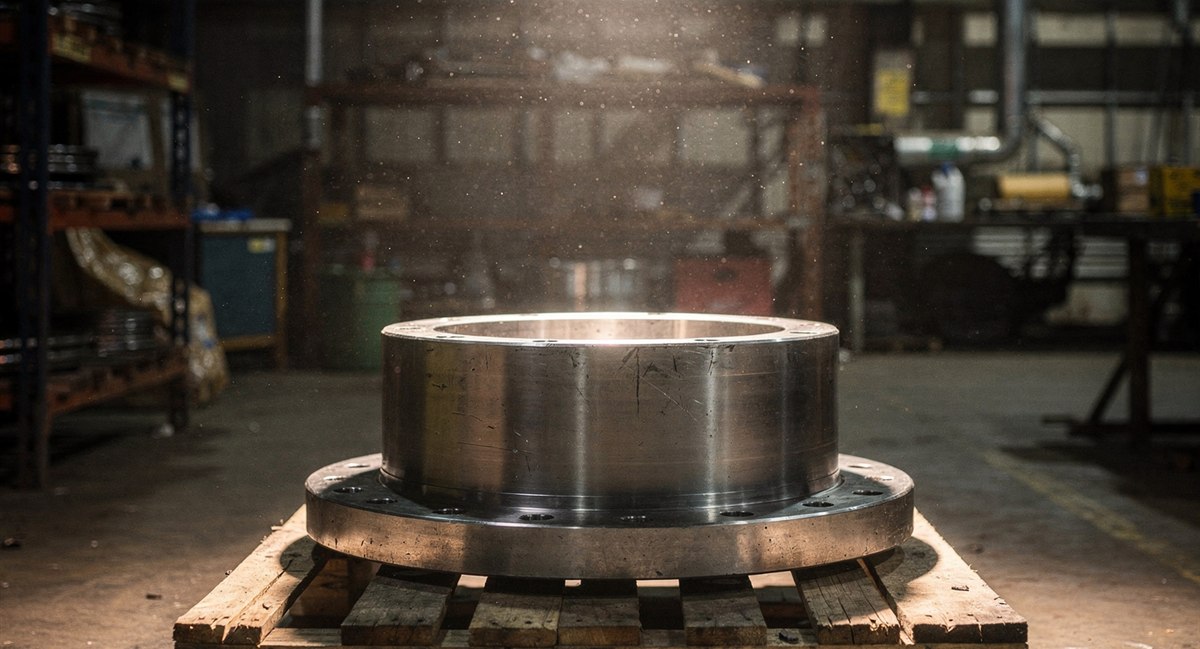
Energy components: define service conditions and interfaces.
Operating environment
Identify the relevant temperature, exposure, fluid and loading requirements in the specification. Material suitability must be assessed for the particular component and application.
Sealing and mounting
Mark sealing faces, mating bores, threads and mounting datums. Define acceptable edge condition and surface finish where they affect assembly.
Testing and documentation
List required material records, inspection and any functional tests separately. Pressure, leak or service-life performance needs specified validation; it is not established by dimensional acceptance alone.
Start with the component and its connections.
For an energy equipment RFQ, identify whether the part is an enclosure, mounting bracket, manifold or interface plate. Describe what it connects to and which surfaces locate the assembly. Include mating-part information where a separate component defines the fit.
For a manifold, identify ports, internal passages and sealing locations. For an enclosure, distinguish cover interfaces from mounting features. For a bracket, show the attachment references and loading assumptions. Use the CNC machining service page to frame the manufacturing review around those features.
Put service conditions beside the geometry.
Describe indoor or outdoor exposure, moisture, cleaning chemicals and contact with process fluids. Identify dissimilar materials at adjoining surfaces and flag corrosion concerns for review. Use the machining materials guide to prepare selection questions; specify the required grade and condition in the RFQ.
Mark seal seats, gasket contact areas and surfaces that need protection during handling. State where a finish is required and where it must be excluded. Consult the materials and finishing guides when defining those notes. Agree documentation, inspection scope and responsibility for functional validation before releasing the drawing.
What to send for a quote
- Drawing and model with matching part numbers, revisions and units.
- Quantity for each part and identification of any alternative designs.
- Material specification, exposure summary and corrosion concerns.
- Sealing and mounting references, finish boundaries and protected faces.
- Requested material records, inspection reports and separately defined functional tests.
Send your energy component RFQ with open questions marked for review. Identify who can approve changes to the drawing or acceptance criteria.
Select the route for this application.
Review machining for housings, interfaces and equipment components. Any molded insulation or covers require their own resin and application review; do not transfer a metal-part approval to a plastic design.
Quality evidence that matches the order.
Agree the drawing revision, critical dimensions, inspection method and required records before production. Dimensional checks can include coordinate measurement, optical inspection and gauges as appropriate to the feature. Material records and inspection reports should be listed in the order scope; a report is not automatically a product certification.
Company and quality information →Project scope and approvals.
These are application considerations, not a gallery of completed customer projects. Production routes, any specialist partner operations and required documents are confirmed for the order. Company quality-system certification does not by itself establish product approval or cover every application. For regulated or customer-controlled programs, review the applicable certificate scope and customer requirements before qualification.
Company information →Energy component review FAQ
Does a material name settle corrosion suitability?
No. Review the specified grade against the actual exposure, adjoining materials and finish. Record the design decision instead of relying on a broad material label.
Does dimensional inspection establish sealing performance?
No. Define any leak or pressure validation separately, including its acceptance criteria and responsible party. Keep those requirements distinct from checks of machined geometry.
How should documentation be requested?
List each required record and its connection to the part or batch. Agree its contents and availability during quotation rather than assuming a general inspection note covers it.
A clear route to your next part.
Engineering review connects the drawing, manufacturing route and acceptance requirements. Ask for an NDA before sharing confidential information.