
Selecting the right material involves critical engineering decisions, and the Titanium vs Steel debate frequently surfaces in CNC Machining. Each metal presents specific strengths, machining challenges, and unique performance characteristics. These differences directly influence project costs, production time, and part precision.
While metals may appear similar on paper, their behavior during the cutting process tells a different story. A material’s machinability directly impacts tool life, surface finish, and overall production speed. Consequently, your material choice shapes every operation on the shop floor.
Industries such as aerospace, medical device manufacturing, and automotive engineering pay close attention to these material properties. Titanium is widely utilized in medical implants and airframes due to its specific characteristics, whereas steel dominates construction, gearing, and tooling because of its rugged nature. Determining the best material depends entirely on your specific operational requirements.
This guide breaks down the facts, industry trends, and manufacturing impacts of both metals. By understanding these core differences, you can determine exactly which material aligns with your production capabilities and engineering goals.
Things To Consider Before Choosing Between Titanium Vs Steel
Understanding a metal’s core properties is essential before beginning any machining operation. Titanium is inherently strong, lightweight, and highly corrosion-resistant. It performs exceptionally well under high heat and mechanical stress, which is why the aerospace and medical industries frequently rely on it.
Conversely, steel provides manufacturing flexibility through a vast range of available grades and hardenability profiles. It offers robust strength and toughness at a generally lower price point. Additionally, steel is widely available and typically easier to form and machine.
During the machining process, both metals respond differently to heat and physical stress. Titanium withstands extreme operational environments but tends to consume cutting tools more rapidly. While steel also generates significant heat during cutting, it typically responds better to standard coolant applications.
In terms of density, titanium is 45% lighter than steel. This significant weight reduction lessens the physical burden on mechanical structures and moving assemblies. However, a lighter physical weight does not equate to easier machinability.
Titanium stands out when a high strength-to-weight ratio is the primary engineering requirement. If you need to produce rugged parts efficiently and cost-effectively, steel typically takes the lead. Ultimately, your specific application determines which material is most appropriate.
What Is Titanium CNC Machining?
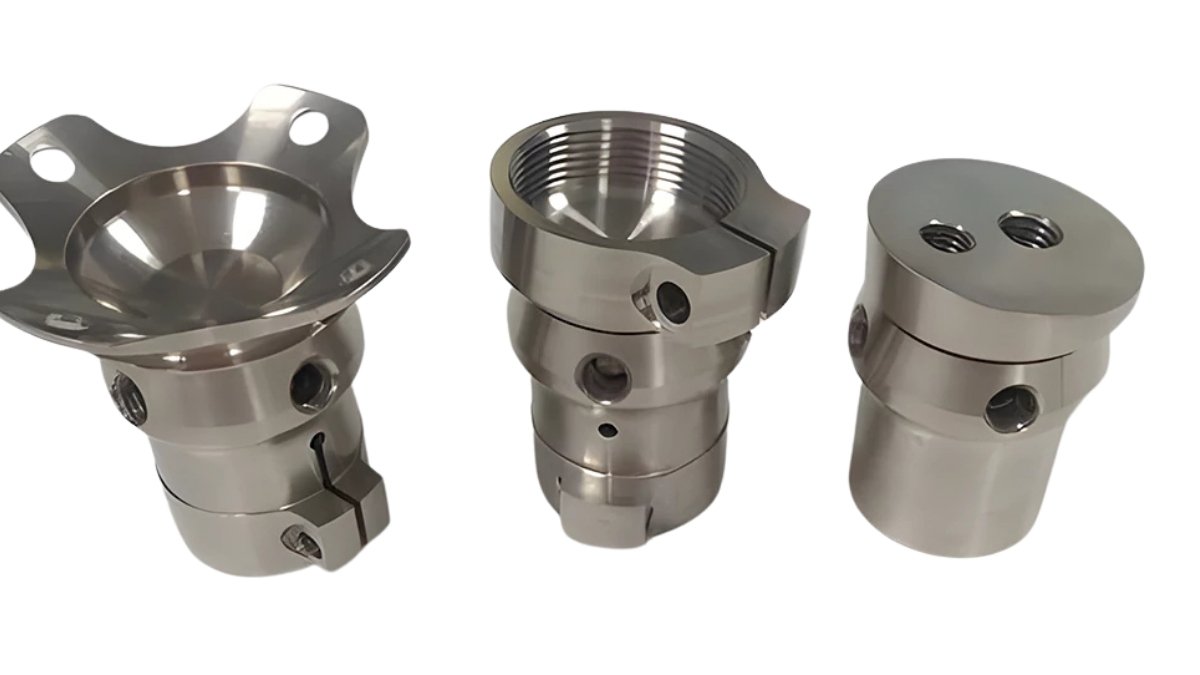
Titanium CNC machining is a high-precision subtractive manufacturing process used to form complex geometries from solid titanium stock. Using Computer Numerical Control (CNC), the machine follows exact programmed codes to execute each specialized cut with high accuracy.
Because titanium is a notoriously challenging material to machine, it requires slower cutting speeds and a highly rigid machine setup. It cannot be processed using the same parameters as aluminum or mild steel. Instead, machinists must carefully calibrate feed rates, select specialized tooling, and apply optimized coolant strategies tailored specifically to the metal.
Titanium is frequently utilized in high-stress environments, including aerospace components, medical implants, and professional racing parts. These applications demand exceptional strength, heat resistance, and minimized weight. CNC machining provides the precise control necessary to transform raw titanium into these critical components.
With the proper machine setup, components manufactured from this material deliver outstanding performance. Precision CNC machining allows engineers to unlock titanium’s full potential, ensuring accurate dimensions and quality surface finishes one careful pass at a time.
Titanium Machining: What Can You Make?
Titanium machining enables the production of extreme-performance components such as aerospace brackets, turbine blades, and structural airframe elements. These parts must maintain strength under intense atmospheric pressure while remaining lightweight, an area where titanium consistently outperforms conventional alloys.
The material is also heavily utilized in sophisticated military hardware. Machined titanium parts withstand mechanical shock, extreme heat, and severe corrosion in demanding operational environments. From armor plating to missile casings, titanium provides substantial strength without adding unnecessary bulk.
Furthermore, the motorsports industry relies on titanium for custom racing components, including suspension linkages, exhaust collectors, and pedal assemblies. Because every gram matters in competitive racing, titanium delivers the necessary mechanical performance while minimizing overall vehicle weight.
Therefore, titanium machining represents a smart manufacturing choice when your project requires high strength, low weight, and biocompatibility. Achieving optimal results simply requires the appropriate machine setup, specialized cutting tools, and controlled machining processes.
Benefits of Titanium to Machining
- High Strength-to-Weight Ratio: It provides exceptional mechanical strength without adding excessive mass.
- Corrosion Resistance: Titanium naturally resists rust, seawater, and various industrial chemicals.
- Heat Resistance: The metal maintains its structural integrity even at elevated operating temperatures.
- Biocompatibility: Titanium is safe for internal human use, making it an excellent material for medical implants.
- Low Thermal Expansion: It largely retains its dimensional shape when exposed to heat and pressure.
- Non-Magnetic: Titanium components will not interfere with delicate electronics or magnetic medical devices.
- Fatigue Resistance: The material withstands repeated mechanical stress without premature cracking or failure.
- Long-Term Durability: Machined titanium parts offer extended operational lifespans in harsh or corrosive environments.
What Is Steel CNC Machining?
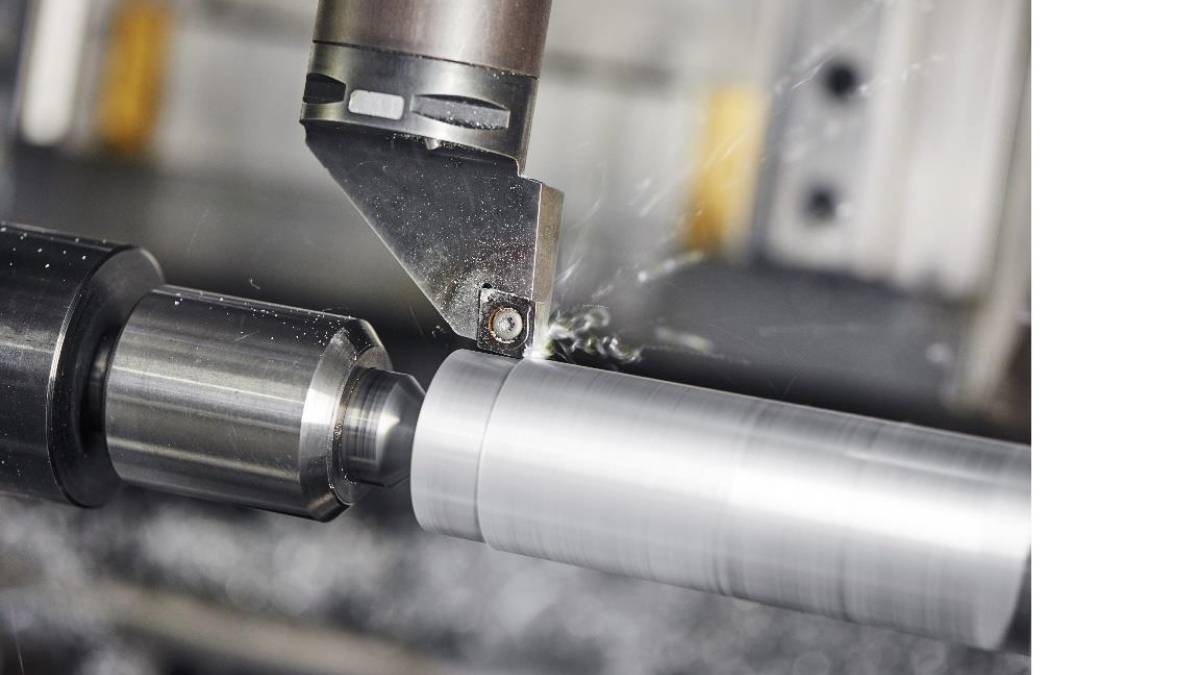
Steel CNC machining refers to the process of shaping raw steel stock using computer-controlled machine tools. By following exact digital programming, the equipment executes complex cuts, forms, and surface finishes with a level of precision that manual machining cannot replicate.
Steel is a highly versatile material available in numerous industrial grades. Because each specific grade exhibits different mechanical properties, machinists must apply tailored cutting strategies. Success relies on selecting the correct cutting tools, speeds, and feeds to optimize the machining process for that specific alloy.
Precision is critical in CNC steel machining. Advanced CNC centers can cut steel with high accuracy to achieve tight dimensional tolerances, which are especially vital for mechanical gears, drive shafts, and load-bearing structural supports. This predictable accuracy increases overall manufacturing efficiency and minimizes material waste.
While steel is inherently strong, it remains highly workable under the appropriate cutting conditions. Compared to more challenging metals like titanium, steel is generally easier to machine when utilizing standard industrial tooling and standard operating procedures.
Ultimately, steel CNC machining enables the efficient production of robust, durable, and dimensionally accurate components. Whether serving the automotive, industrial, or construction sectors, steel consistently ranks as a top material choice for both mechanical reliability and cost-effectiveness.
What Can You Make Using Steel CNC Machining?
Steel CNC machining provides extensive manufacturing opportunities across multiple heavy industries. Here are several important components commonly produced from steel:
Gears and Shafts
Steel is an excellent choice for gears and drive systems subjected to heavy mechanical loads. CNC machining ensures these power transmission components remain precise, strong, and highly durable.
Engine Blocks and Components
Advanced machining centers regularly manufacture critical powertrain components, including engine blocks, pistons, and crankshafts, for automotive, commercial trucking, and industrial applications.
Tooling and Dies
Tool steel remains the preferred material for fabricating industrial molds, stamping dies, and cutting tools designed to withstand intense, repetitive wear.
Frames and Structural Parts
Machined steel frames, brackets, and structural beams provide necessary stability and load-bearing strength for heavy-duty machinery and construction equipment.
Fasteners
High-strength steel bolts, nuts, and specialized screws are widely utilized across the aerospace, automotive, and general manufacturing sectors due to their excellent shear and tensile strength.
Bearing Housings
Precision CNC machining is frequently used to create durable steel bearing housings, which support smooth rotational movement in machinery handling heavy loads.
Pipes and Tubes
Machined steel pipes, fittings, and tubing are vital infrastructure components for safely transporting fluids and pressurized materials in the oil, gas, and construction industries.
Cutting Tools
High-speed steel and various tool steels are commonly machined into industrial drills, end mills, and cutting blades for broader manufacturing applications.
Automotive Parts
Heavy-duty suspension components, chassis linkages, and exhaust flanges are among the many critical automotive components that rely on the durability of steel.
Agricultural Equipment Parts
Contract manufacturers regularly use CNC machining to produce rugged farming machinery components, including plow blades, tractor linkages, and harvester mechanisms.
Steel CNC machining facilitates the production of components designed to function reliably in environments characterized by high pressure, wear, and physical stress. From small precision fasteners to large engine blocks, steel delivers consistent, dependable durability.
Which Material Is Best for Your Project? Titanium vs Steel
Consider the following primary factors when deciding which material is best suited for your specific machining project:
Strength and Durability
Titanium is renowned for its high strength-to-weight ratio. It is ideal for applications where minimizing weight without sacrificing strength is essential, such as in aerospace assemblies or medical implants. Its physical robustness makes it an excellent choice for performance-critical components.
Conversely, steel is exceptionally hardy and structurally strong, excelling at absorbing high-impact stress. Steel represents a practical choice for heavy-duty parts, such as engine blocks or industrial equipment, where maximizing toughness takes precedence over weight savings.
Corrosion Resistance
Titanium is highly resistant to both general rusting and chemical corrosion. It is well suited for harsh operating environments, such as marine or chemical processing applications, which involve frequent exposure to moisture and corrosive agents. This natural resistance makes it a highly reliable material for long-duration parts deployed in severe conditions.
Although structurally sturdy, standard carbon steel is susceptible to rust and environmental corrosion. While stainless steel alloys provide significantly better corrosion resistance that is more than sufficient for most applications, titanium maintains a distinct advantage in environments with extreme corrosion risks.
Machinability
Due to its material properties, titanium requires specialized cutting tools, and the overall machining process is generally slower. It requires more time and resources to machine effectively, making it more challenging to process than many standard industrial metals.
Steel is generally easier to machine, which often makes it more cost-effective to produce. CNC machines can cut steel at higher spindle speeds while experiencing a lower rate of tool wear, making steel an ideal candidate for large-scale manufacturing and mass production runs.
Cost
Titanium is more expensive regarding both the raw material procurement and the specialized machining processes required to shape it. Because it involves specific tooling and longer cycle times, titanium is best reserved for projects where its unique mechanical properties justify the higher production costs.
Steel, however, is significantly more economical. The raw material is widely accessible and can be machined more efficiently, making it a highly practical choice for most general manufacturing projects. Steel is frequently the preferred engineering solution when project budgets are a primary constraint.
Summary: Choosing Between Titanium Vs Steel
When choosing between titanium vs steel, the final decision hinges heavily on your project’s specific engineering requirements. Frequently utilized in aerospace, medical devices, and high-performance vehicles, titanium is an excellent choice for applications requiring lightweight, high-strength, and corrosion-resistant components. Nevertheless, it remains more expensive and challenging to machine.
On the other hand, steel provides proven toughness, durability, and affordability. It is highly suitable for automotive, construction, and industrial machinery components where sheer strength and impact resistance are paramount. Because it is easier to machine and more cost-effective to source, steel serves as a practical option for large-scale manufacturing projects.
At Othala Technology, we understand that deciding whether to use titanium or steel requires balancing factors such as tensile strength needs, corrosion resistance requirements, weight constraints, and production budgets. Each material offers distinctive advantages tailored to various applications, and our precision manufacturing facility is fully equipped to machine both to your exact specifications.