
Othala Technology / Custom manufacturing
Automotive component machining.
Manufacturing discussions for development components, fixtures and defined production parts. The application determines the acceptance requirements; the drawing determines the part.
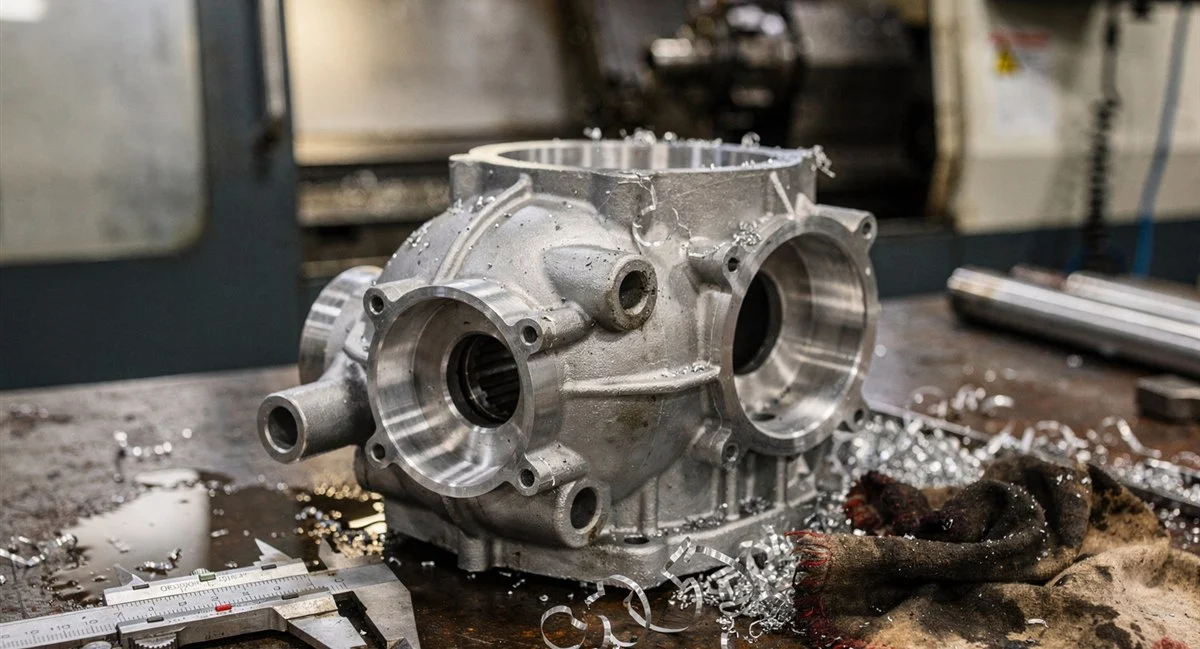
Automotive projects: distinguish development from production.
Prototype purpose
State whether the parts support packaging, assembly, fixtures or functional testing. Identify which features and materials must represent production at that stage.
Production approval
List customer-specific approval documents, traceability and sample requirements before quotation. PPAP support and program-specific approvals require confirmation; they are not assumed from a general certification.
Change control
Keep drawing changes, material changes and sample results connected to a revision. Define which changes require customer approval before repeat supply.
Select the route for this application.
CNC can be reviewed for development hardware and fixtures; molded parts require a tooling and resin approval path. A prototype order does not by itself approve the production route.
Quality evidence that matches the order.
Agree the drawing revision, critical dimensions, inspection method and required records before production. Dimensional checks can include coordinate measurement, optical inspection and gauges as appropriate to the feature. Material records and inspection reports should be listed in the order scope; a report is not automatically a product certification.
Company and quality information →Project scope and approvals.
These are application considerations, not a gallery of completed customer projects. Production routes, any specialist partner operations and required documents are confirmed for the order. Company quality-system certification does not by itself establish product approval or cover every application. For regulated or customer-controlled programs, review the applicable certificate scope and customer requirements before qualification.
Company information →A clear route to your next part.
Engineering review connects the drawing, manufacturing route and acceptance requirements. Ask for an NDA before sharing confidential information.