
Custom injection molding services
Injection molding.
From design to production.
Bring resin, geometry and tooling into one conversation. Plan injection molded components around function, appearance and production requirements.
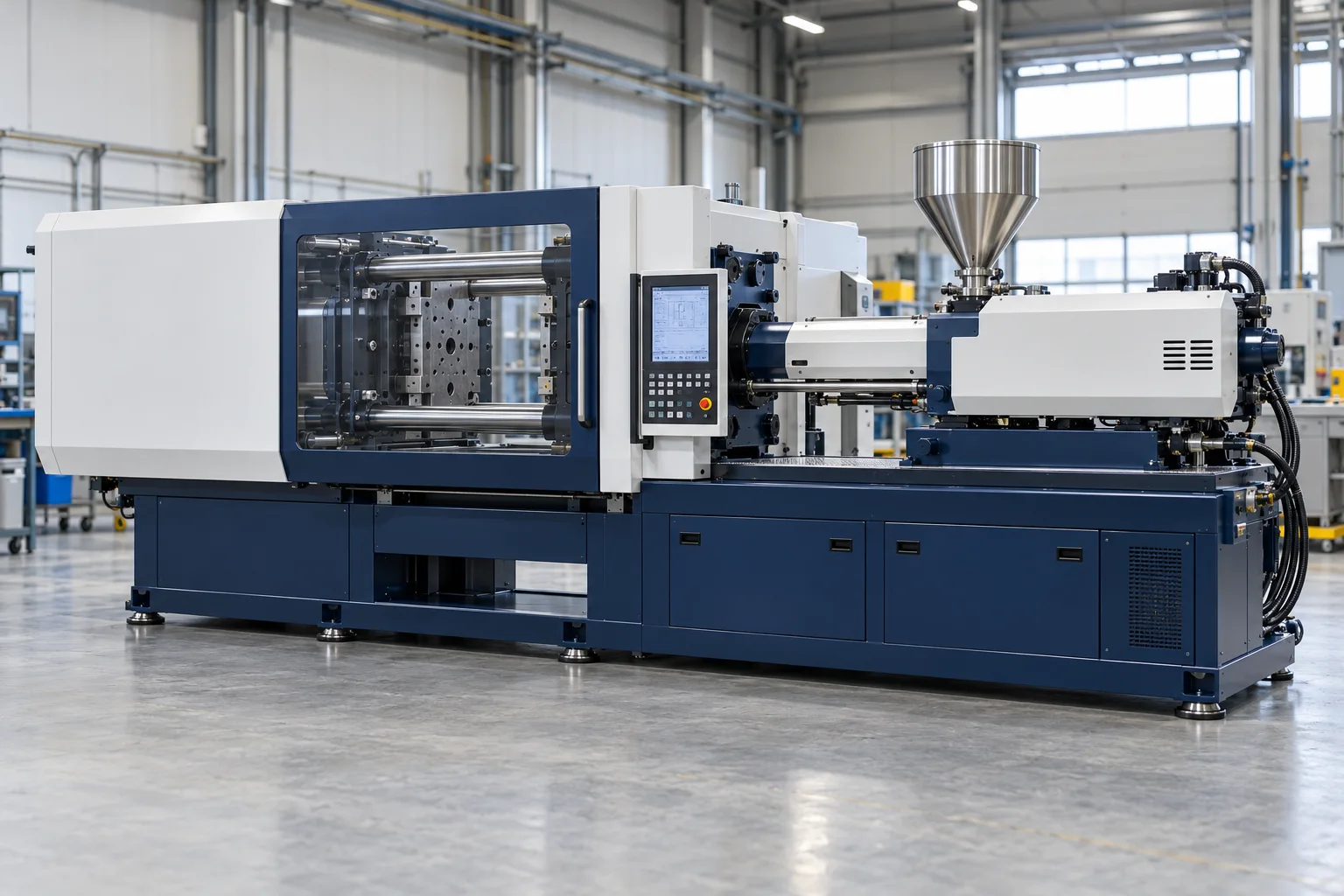
Start with the application
A molded component is more than its shape.
Tell us how the part will be used, assembled and inspected. These requirements inform the design and tooling review.
Function & fit
Identify assembly interfaces, dimensional priorities and the loads or conditions the part will encounter.
Resin & appearance
Specify the resin grade, color and cosmetic surfaces. Include any relevant environmental requirements.
Repeat production
Define the approved revision, sample criteria, packaging and any inspection documentation needed.
Plan your molding project
Clarify the requirements before the trial.
A clear specification helps separate tooling questions from part acceptance criteria.
| Requirement | What to specify | Why it matters |
|---|---|---|
| Material | Resin grade, color, permitted substitutes, required material certificates and resin lot traceability. | Different resins have different processing and application requirements. |
| Tooling status | New tool, existing tool or a design still being developed. | The review starts at a different stage for each project. |
| Part design | Approved PDF drawing and STEP model of the same revision, with wall sections, ribs, interfaces and critical dimensions. | Geometry influences moldability and dimensional behavior. |
| Acceptance | Visual standards, sample approval, inspection method, sampling, report format and any certificate of conformance (CoC). | Production should follow an agreed part specification. |
| Order planning | Quantity tiers and units, quantity per order, repeat demand, degating or trimming, cleaning, packing and target date. | These define the production and delivery discussion. |
| Commercial & DFM | Target price range, trade and payment terms, and whether DFM feedback may propose tolerance or design changes. | Sets the commercial basis and how far the part design can change. |
On small screens, swipe the table horizontally to see every column. Final requirements are confirmed during engineering review.
Need new tooling? Explore mold making →New mold or existing mold: two starting points.
Starting with a part design
Review wall transitions, ribs, draft and assembly interfaces before committing to the tool. Decide which surfaces are cosmetic and where gate or ejection marks can be accepted.
Introducing an existing tool
Review its condition, dimensions, interfaces, resin history and available trial records. A tool that ran elsewhere still needs a transfer review and sample acceptance in the receiving setup.
Releasing the molding run
Use the agreed resin grade and trial plan. Review dimensions, fit and appearance before approving repeat production; record any deviation and the action needed.
Project questions
Before you request a quote.
A few details help us give you a more useful response.
Can I discuss a project before the mold exists?
Yes. Share the part design, intended resin and expected demand. The review can start with the tooling requirements and the route to sample validation.
Which resin should I specify?
Start with the functional, environmental and appearance requirements. If a grade has already been specified, include the full designation. Final material suitability must be reviewed for the application.
What should be checked during sample approval?
Confirm fit, critical dimensions, visual quality and any required functional checks against an agreed drawing or standard. Record approved revisions before repeat production.
Keep material, appearance and batch acceptance aligned.
Material control
Identify the resin supplier grade, color reference and any permitted alternatives or regrind. Drying and conditioning requirements should follow the selected supplier guidance, with the inspection condition agreed in advance.
Visible and functional defects
Define acceptance for flash, sink, warpage, gate marks and visible surface variation using the drawing and agreed samples. A cosmetic reference does not replace dimensional or assembly checks. For appearance-critical housings and covers, see consumer product parts.
Repeat production
Agree batch identification, inspection frequency and records, protection during packing and the handling of rejected parts. Resin, tooling and drawing changes require review against the approved part definition.
Technical guides
Related reading
- Injection molding quality controlControl plans, in-process checks, resin lots and traceability.
- Mold trial and acceptance checklistT0/T1 trials, sample checks and sign-off before production.
- Injection mold transfer checklistMoving an existing tool to a new molder and requalifying parts.
- Injection molding defectsCommon defects, their usual causes and how to correct them.
- Rapid tooling vs production moldsChoosing the tooling route from prototype to production.
Have a drawing ready?
Send your design, material and target quantity. We’ll review the requirements and the right manufacturing route.