
Othala Technology / Custom manufacturing
Rapid prototyping for product development.
Choose a prototype process around what needs to be learned: appearance, assembly, fit or function.
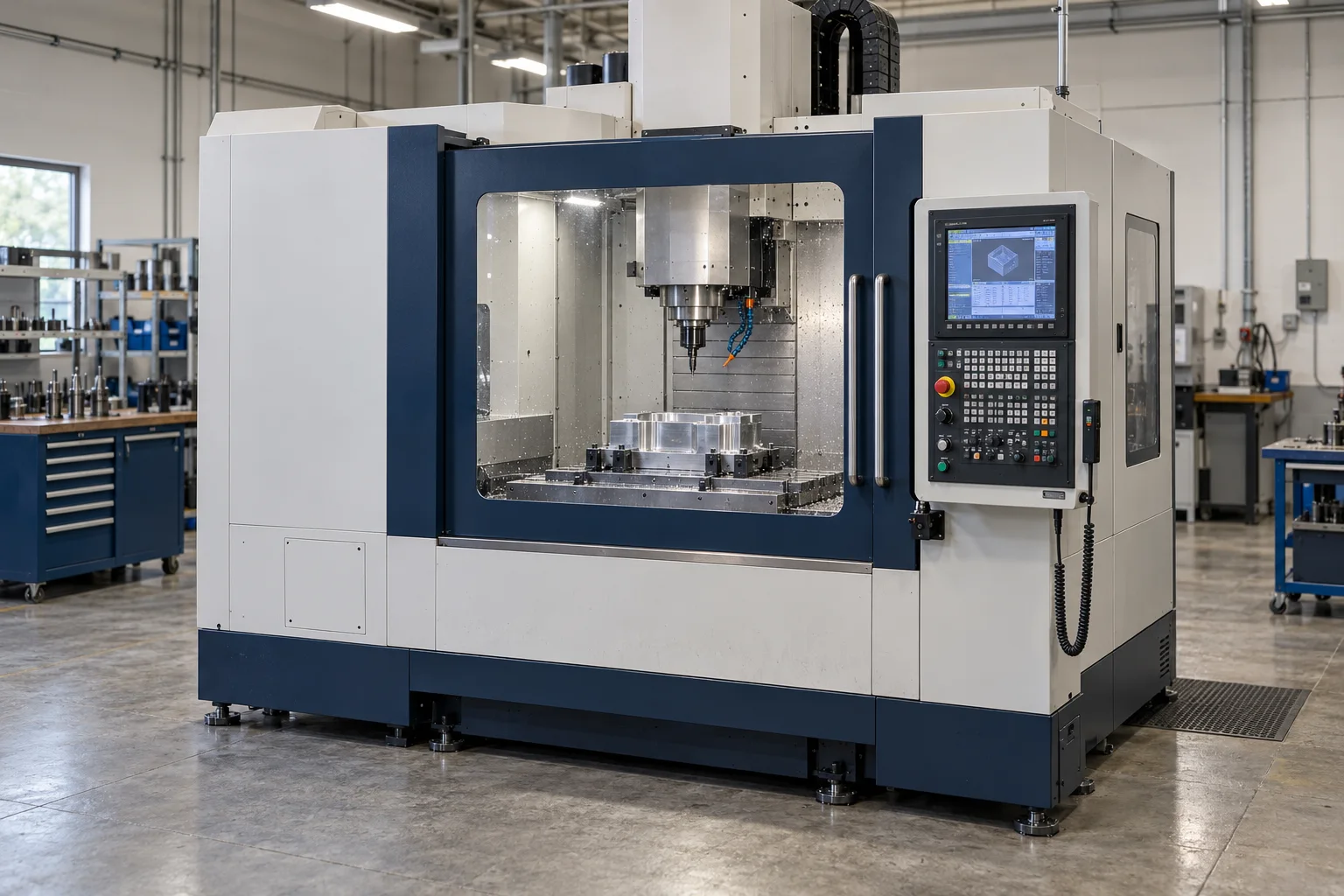
Match the process to the test.
| Design topic | Practical consideration |
|---|---|
| CNC prototypes | Useful when the test needs a specified stock material and machined interfaces. |
| Additive prototypes | Useful for exploring complex geometry and iterating forms; orientation and process can influence properties. |
| Molded pilot parts | Consider tooling when the validation needs the intended resin and molded features. |
| Revision control | Record what each prototype demonstrated and carry approved changes into the next drawing revision. |
On a small screen, swipe the table to read all columns.
Plan the next manufacturing stage.
CNC machining
Metal components with machined faces, bores, pockets and threads. Prototype and repeat production are reviewed against the same part definition.
Explore CNC machining →Production mold making
Define a tool around the part, resin, expected demand, trial results and ownership arrangements.
Explore Production mold making →Injection molding
Connect resin selection, tool readiness, trial approval and repeat production of plastic components.
Explore Injection molding →Use prototypes to answer a specific question.
Fit and assembly
Define the mating parts and features to check. Record whether the prototype material and process represent production or only the geometry.
Function and appearance
Separate functional tests from presentation models. A good-looking model does not establish load, temperature, durability or surface performance.
Release the next revision
Record test findings against a sample and drawing revision. Carry approved changes into the production specification rather than relying on informal sample comments.
Quality evidence that matches the order.
Agree the drawing revision, critical dimensions, inspection method and required records before production. Dimensional checks can include coordinate measurement, optical inspection and gauges as appropriate to the feature. Material records and inspection reports should be listed in the order scope; a report is not automatically a product certification.
Company and quality information →A clear route to your next part.
Engineering review connects the drawing, manufacturing route and acceptance requirements. Ask for an NDA before sharing confidential information.