Header image: AI-generated illustration of machined spacers, not a customer project or production record.
Moving a CNC prototype to production starts with a review of what the sample actually demonstrated. Record the accepted drawing revision, material, finish and checks, then identify what will change for repeat orders. Othala’s rapid prototyping services frame prototypes around the learning objective: appearance, assembly, fit or function. Carry that objective into the production handoff so an approval has a defined scope.
Key Takeaways
- Keep a record of the prototype configuration and the requirements it demonstrated.
- Review fixtures and inspection equipment when quantity or the manufacturing route changes.
- Specify production material, finish, lot identification and required reports in the order.
- Agree sample approval and the next production step before releasing repeat batches.
Start with a Configuration Comparison
Othala’s CNC guidance asks buyers to separate prototype demand from repeat-order demand and identify open decisions. It also calls for documenting what a substitute-material prototype can demonstrate and what remains unverified. A fit check in a substitute material does not establish acceptance of the intended production material and finish.
Use the following proposed handoff worksheet with your supplier. It records decisions for the project; it does not prescribe a universal qualification procedure.
| Item | Prototype record | Production decision |
|---|---|---|
| Drawing | Part number and tested revision | Released PDF and model revision |
| Material | Grade, condition and any substitution | Required grade, condition and records |
| Finish | Actual sample surface condition | Delivered finish and masked features |
| Quantity | Sample quantity and test purpose | Order quantity, repeat demand and schedule |
| Inspection | Features checked and report reference | Acceptance scope, methods and records |
| Approval | What the sample demonstrated | Open requirements and sample-release decision |
Keep drawing changes traceable using the drawing revision control guide.
Fixtures May Change with the Production Plan
The second edition of a Chinese-language machining process-design handbook (Concise Manual of Machinery Manufacturing Process Design), pages 8–10, distinguishes general-purpose and modular fixtures for single-piece work from the mix of general-purpose, dedicated and group fixtures used in batch production. This is a manufacturing-planning distinction, not a rule that every repeat order requires new tooling.
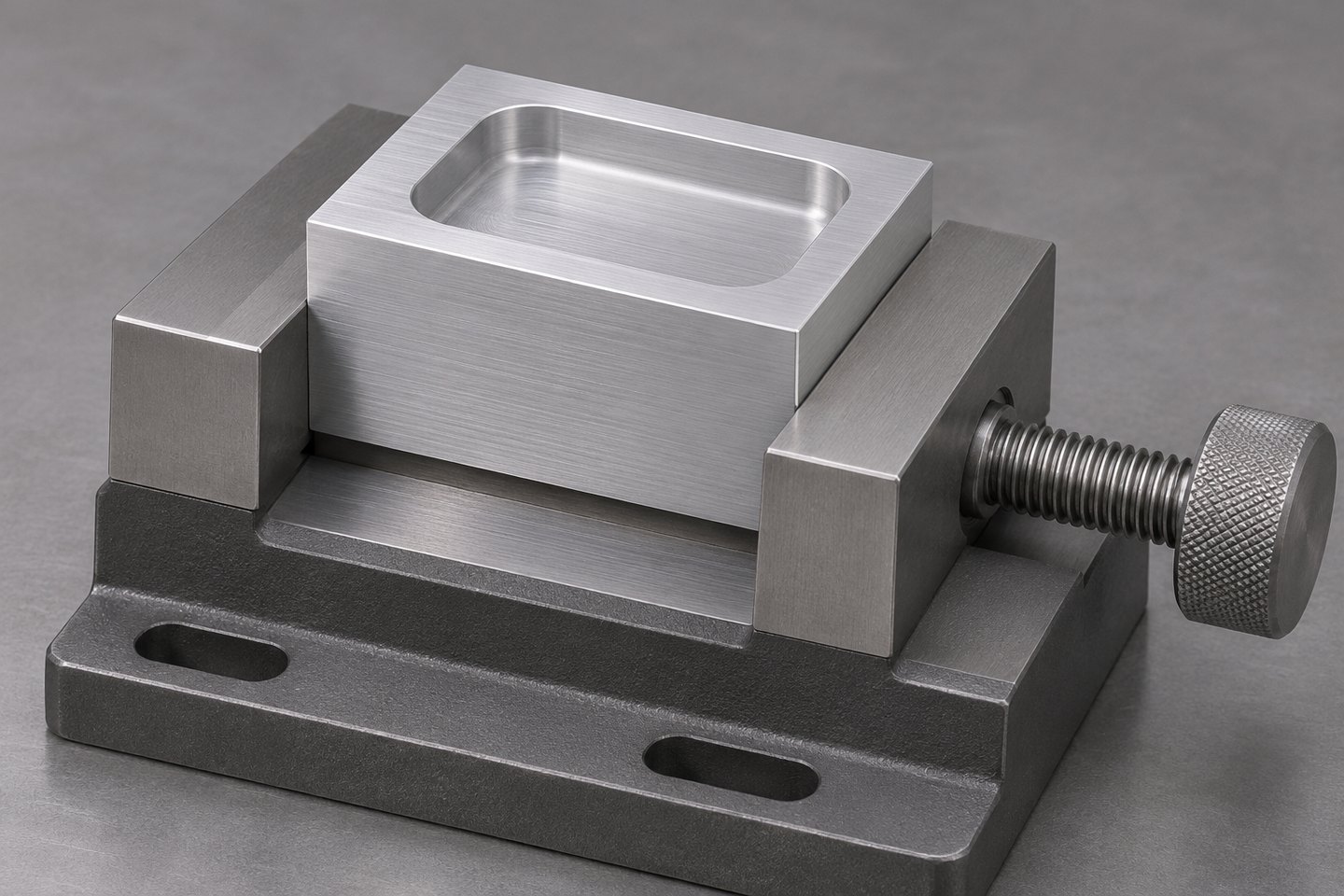
Othala’s CNC machining service likewise explains that prototype and production quantities may use the same drawing while needing different fixtures, inspection effort or material purchasing. Ask the supplier to identify the proposed route and review its effect on the functional features before comparing prices.
Material Lots and Finishing Belong in the Handoff
The CNC service requirements include material grade and condition, permitted substitutes, certificates and heat or lot traceability. Turn those headings into explicit order requirements. If the prototype used an alternative material or an unfinished surface, carry that distinction into the production review instead of marking the entire part approved.
The same service guidance calls for approved material, finish and revision as the repeat-order reference, with lot identification and protection for sensitive surfaces. Include these in receiving instructions so the delivered batch can be checked against the agreed configuration.
Agree What “First Article” Includes
An inspection label is not enough to compare quotations. Suppliers use names such as “inspection report” and “first-article report” for documents of different scope, from a few critical dimensions to every characteristic on the drawing. State which characteristics, which samples and which records the report must cover, and compare quotations on that basis rather than on the report’s name.
The machining handbook describes general-purpose measuring tools for single-piece work and the use of some dedicated measuring tools or instruments in batch production. Discuss the required characteristics and methods with the supplier; do not prescribe a CMM merely because it appears on an equipment list. Use the inspection requirements guide to define the measurement package.
Questions to Close Before the Repeat Order
Must the prototype and production use identical fixtures?
Not necessarily. The handbook describes different fixture choices by production type. Ask what the proposed production route changes and agree how the required features will be accepted.
What should accompany the production RFQ?
Send the approved drawing/model revision, material and finish, expected quantities, critical characteristics, required records and target date. Add the prototype report and a short list of requirements still open. This makes the sample approval useful to the production review.
Request a DFM Review
Send your prototype drawing, proposed production revision, material and finish requirements, expected batch sizes and sample inspection record. Identify what the prototype demonstrated and what still needs review.