
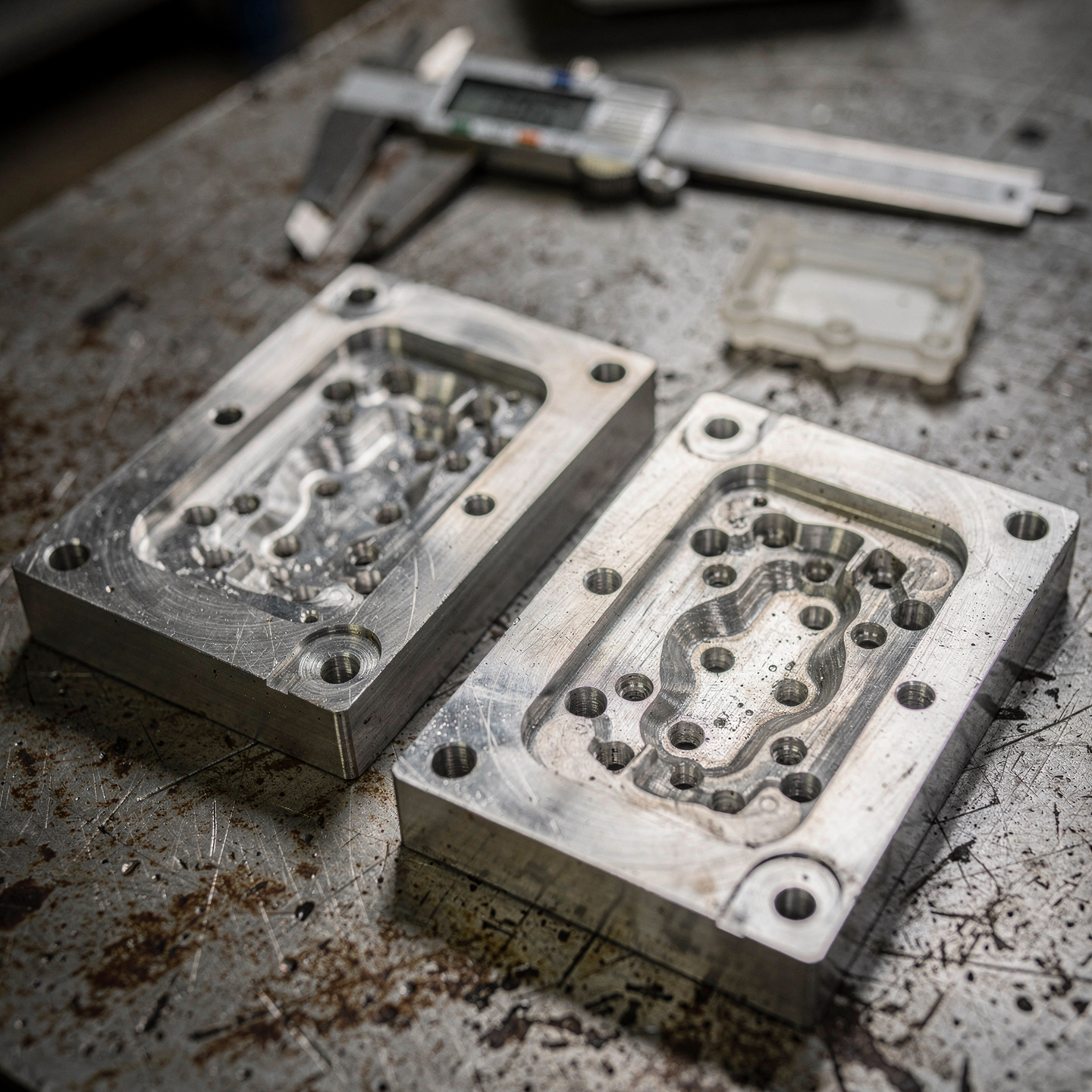
One of the most common questions we get from customers moving from prototype to production is simple: do you need a full production mold, or would a rapid tooling approach get you there faster and cheaper? The right answer depends on your part count, timeline, and how settled your design really is.
What Rapid Tooling Actually Solves
Rapid tooling — sometimes called bridge tooling or prototype tooling — uses simpler, faster-to-machine aluminum molds instead of hardened production steel. The tradeoff is mold lifespan for speed and cost: rapid tooling gets injection-molded parts into your hands in days rather than weeks, at a fraction of a production mold’s cost, but the tooling is built for a limited number of shots rather than years of continuous production.
This makes rapid tooling the right fit when you need small-to-mid volumes of true injection-molded parts (not 3D-printed prototypes) for functional testing, market validation, or bridging the gap while a full production mold is still being built.
What Production Mold Making Solves
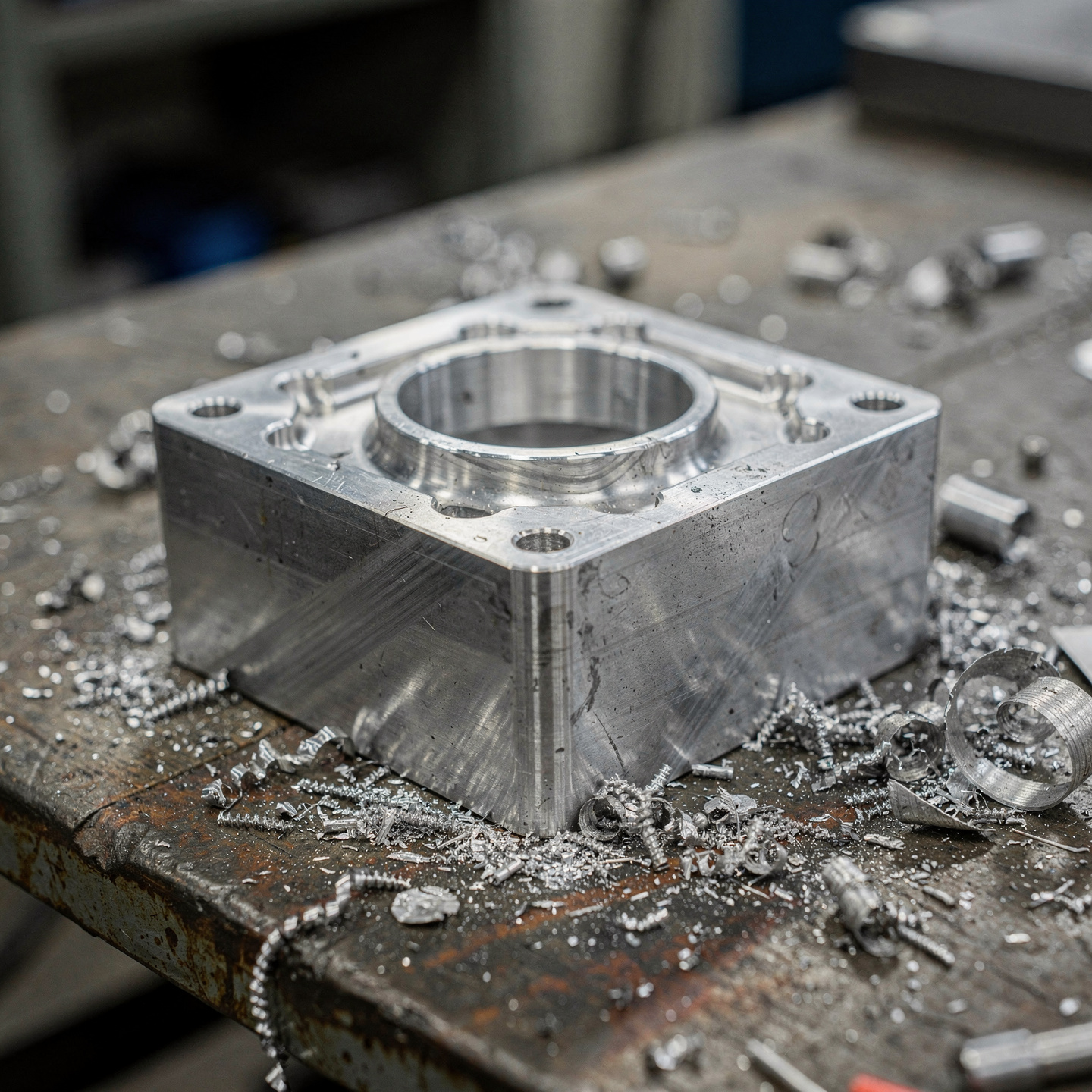
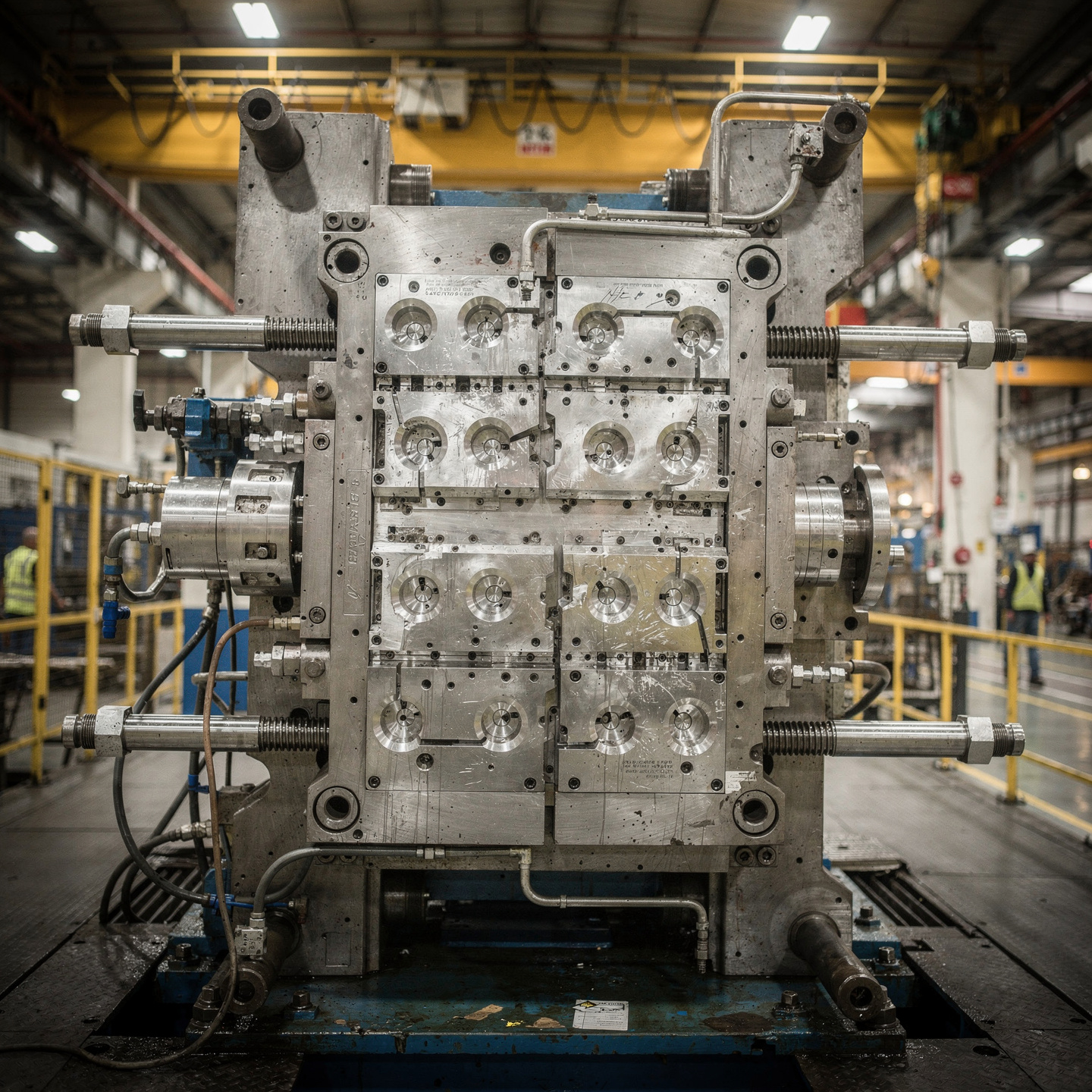
Production molds are built from hardened tool steel, designed and engineered for high-cavitation, high-volume runs over the mold’s full service life. They cost more and take longer to build up front, but they’re the right investment once your design is locked and you’re committing to ongoing production rather than validation quantities.
How to Decide
A few questions usually settle it:
- Is the design final? If you’re still likely to revise the part after initial testing, rapid tooling avoids paying twice for tooling changes.
- What volume do you actually need? Bridge quantities in the hundreds to low thousands favor rapid tooling; ongoing production in the tens of thousands and up favors a production mold.
- What’s your timeline to market? If you need real injection-molded parts in hand quickly — for a trade show, a pilot customer, or a funding milestone — rapid tooling closes that gap while a production mold is engineered in parallel.
A Common Path: Both, in Sequence
Many of our customers use both tooling approaches on the same program: rapid tooling first to validate fit, function, and market response with real molded parts, then a production mold once the design is finalized and volume commitments are clear. Building the production mold in parallel with rapid-tooling-based testing, rather than waiting for testing to finish before starting the production tool, is usually the fastest path from prototype to full production.
Materials and Process
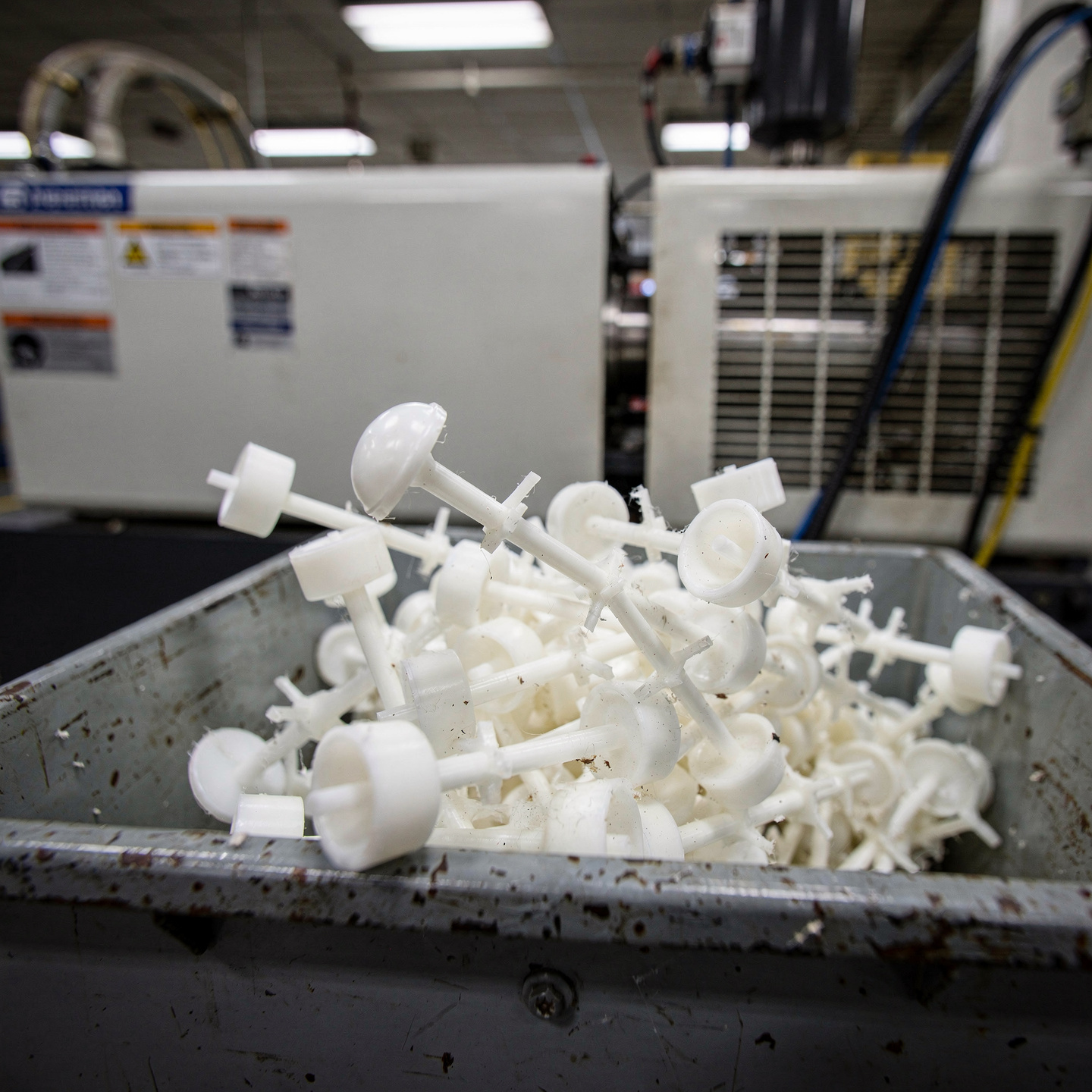
Othala supports both approaches with the same injection molding process controls — insert molding with precision metal components, custom tooling development, and quality documentation including material certificates and first article inspection reports available on request.
Not Sure Which You Need?
Send us your part design and expected volumes, and our team will recommend the right tooling path — including whether a bridge-to-production sequence makes sense for your program — as part of your quote.