
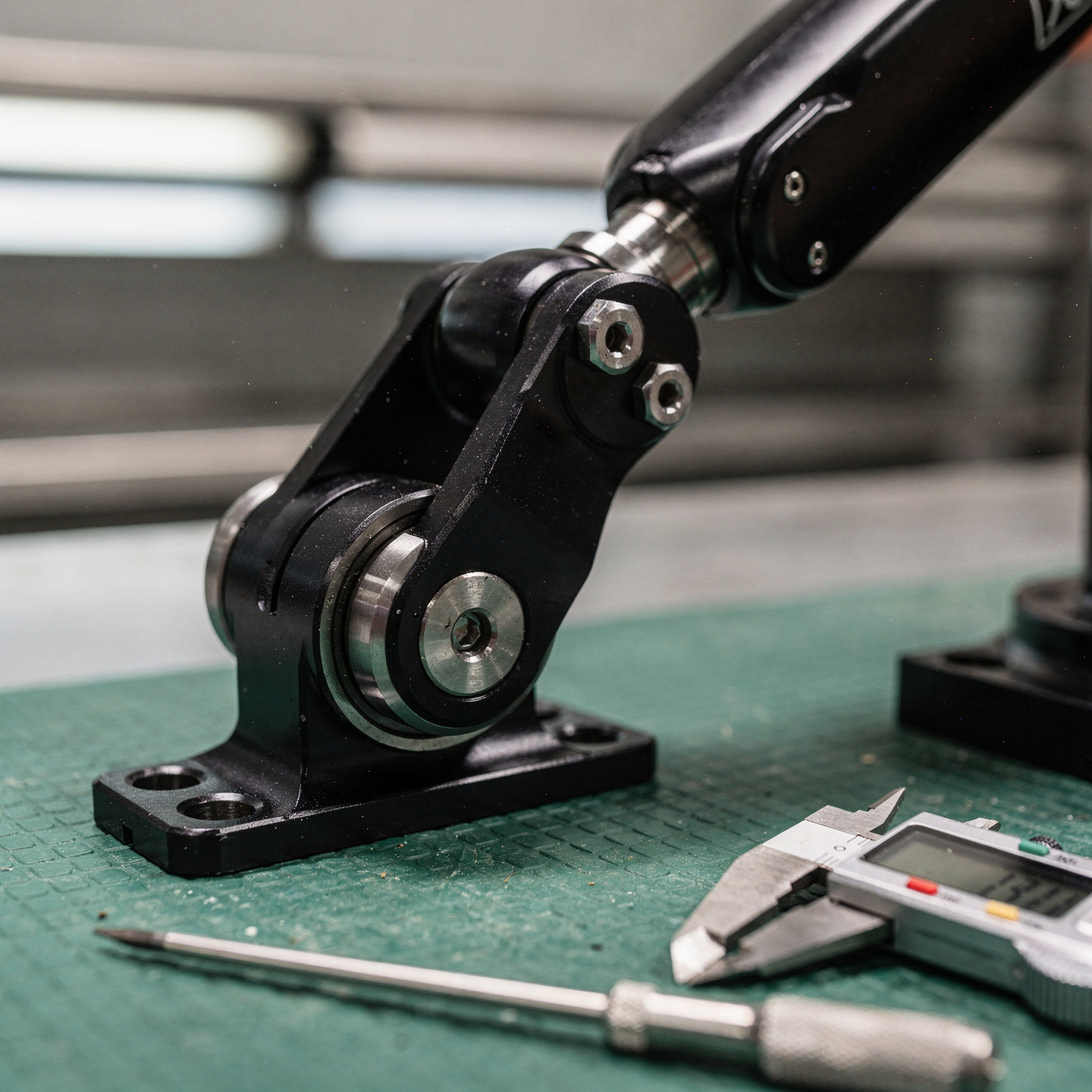
Robotic systems live and die on precision. A joint bracket with a few hundredths of a millimeter of play, or a housing that doesn’t line up square with its mounting face, shows up as backlash, vibration, or drift in the finished robot. That’s why robotics component manufacturing leans so heavily on CNC machining rather than lower-precision processes.
Where CNC Machining Fits in a Robot
Most of a robot’s structural and motion-critical parts are strong candidates for CNC machining:
- Joint brackets and links — the connecting structures between actuators, where positional accuracy directly affects repeatability
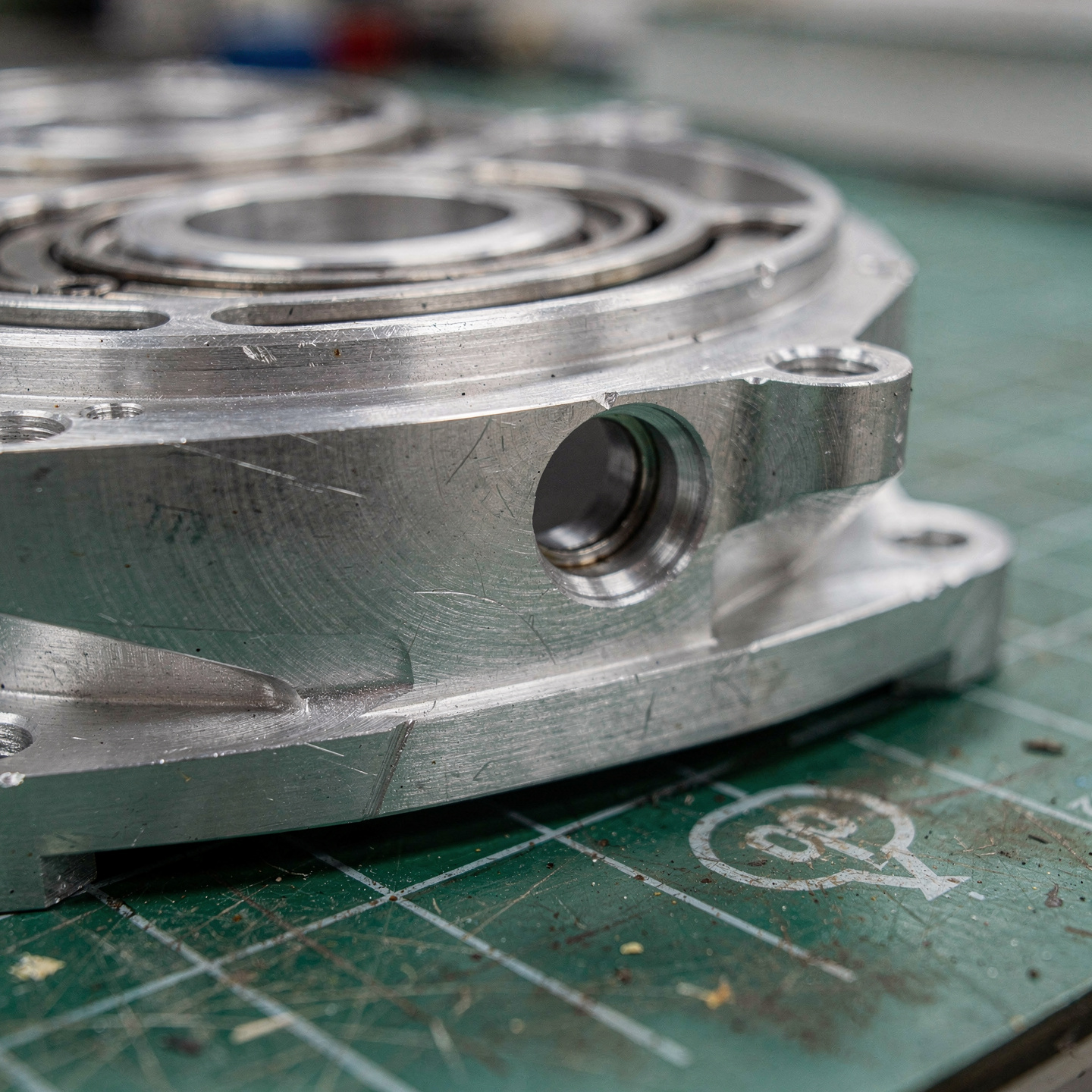
- Gearbox and motor housings — need tight bore tolerances and flatness to keep bearings and gear trains aligned
- End-effector components — grippers, tool-changer interfaces, and mounting plates where fit tolerances are especially tight
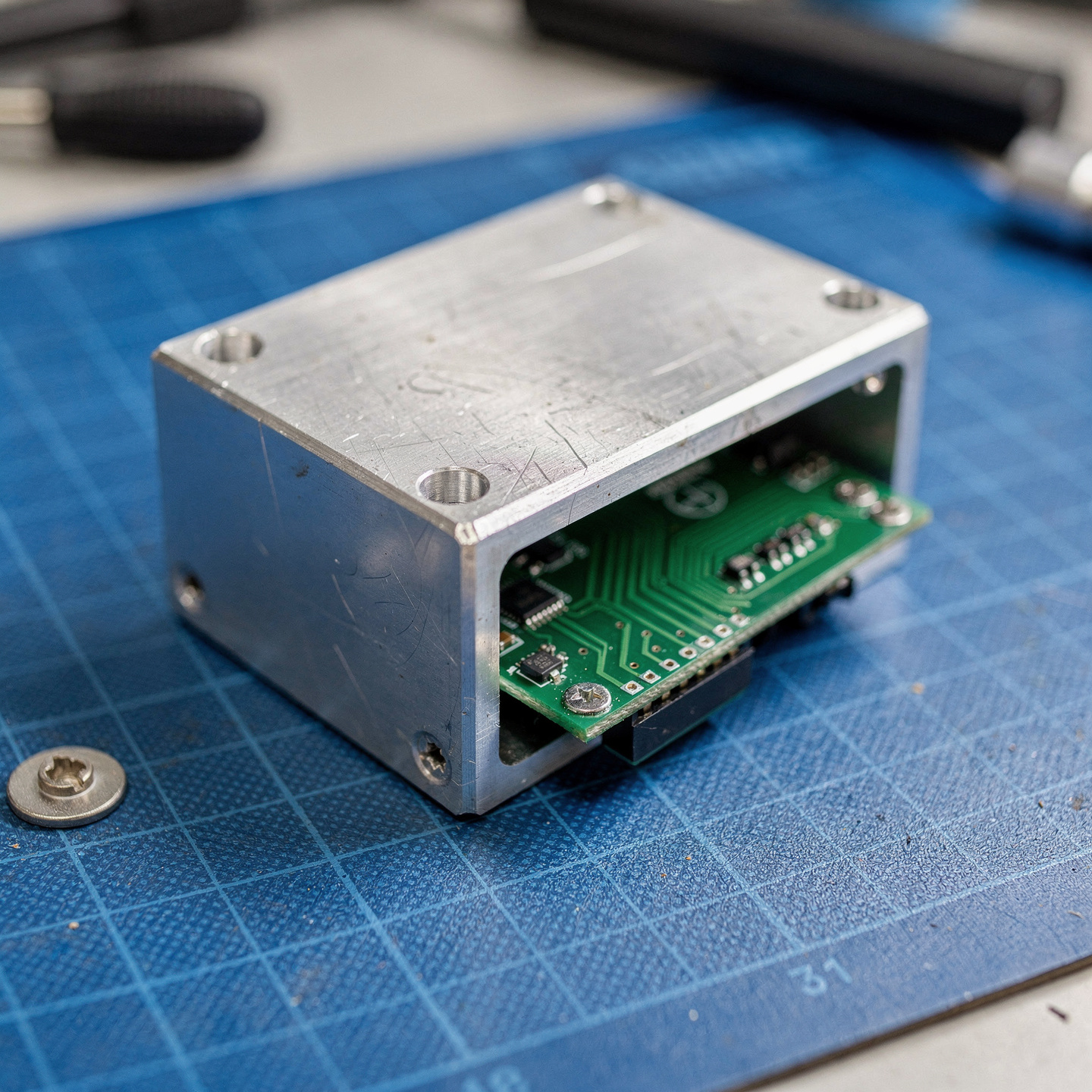
- Sensor and electronics enclosures — machined housings that protect control electronics while keeping weight down
Why Tolerances Matter More in Robotics
A robot arm is a chain of connected parts, and positional error at each joint compounds down the chain. A small clearance issue at the base joint can translate into a much larger positioning error at the end effector. This is why robotics parts are frequently specified with tolerances in the same range used for aerospace and precision instrument work — commonly a few thousandths of an inch, occasionally tighter on critical mating features.
Materials Commonly Used
Material choice in robotics components usually comes down to a tradeoff between strength, weight, and cost:
- Aluminum — the default choice for most structural components and housings where weight matters (lighter arms mean less motor torque needed to move them)
- Stainless steel — used for high-load joints, shafts, and fasteners where strength and wear resistance outweigh the weight penalty
- Engineering plastics — used for low-load housings, covers, and components where electrical insulation or weight savings matter more than strength
Anodizing and Surface Finishing
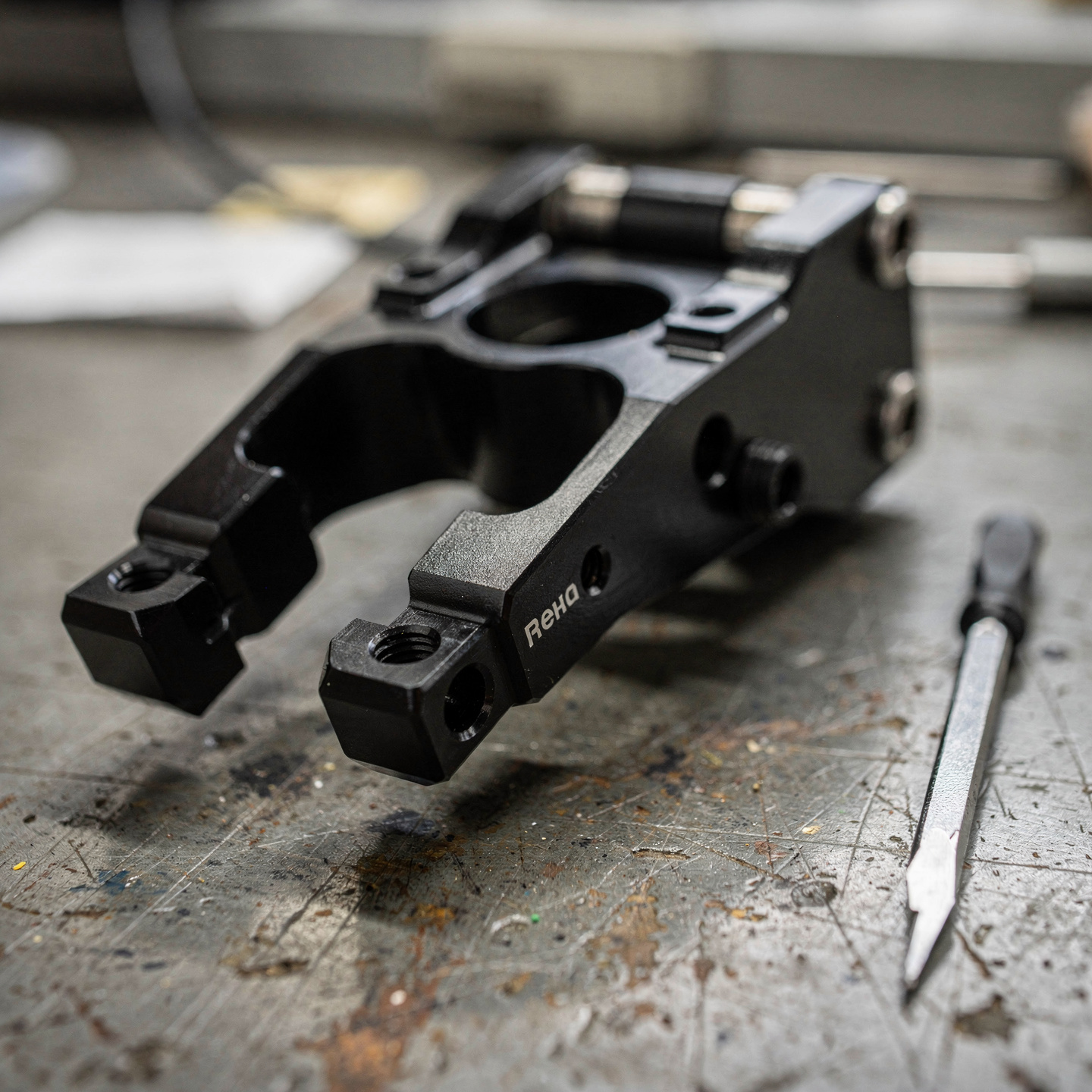
Aluminum robotics components are frequently anodized — both for wear resistance on moving joints and for cosmetic consistency across a product line. Black anodizing is the most common finish requested for robotics housings and brackets, though other colors are available for branding or part identification.
From Prototype Arm to Production Run
Robotics programs often start with a handful of prototype units for testing, then scale to small or mid-volume production once the design is validated — a pattern that fits well with CNC machining’s ability to produce low-volume runs economically without hard tooling, then scale up as order volumes grow. Othala supports both stages with the same manufacturing controls, no minimum order quantity, and lead times from five business days.
Get a Quote for Your Robotics Components
Upload your CAD files and drawings for a free design review and 24-hour quote on CNC-machined robotics parts, from single prototypes to ongoing production runs.