
Othala Technology / Custom manufacturing
Robotics CNC machining.
Manufacturing discussions for clamps, end-effectors, housings and automation interfaces. The application determines the acceptance requirements; the drawing determines the part.
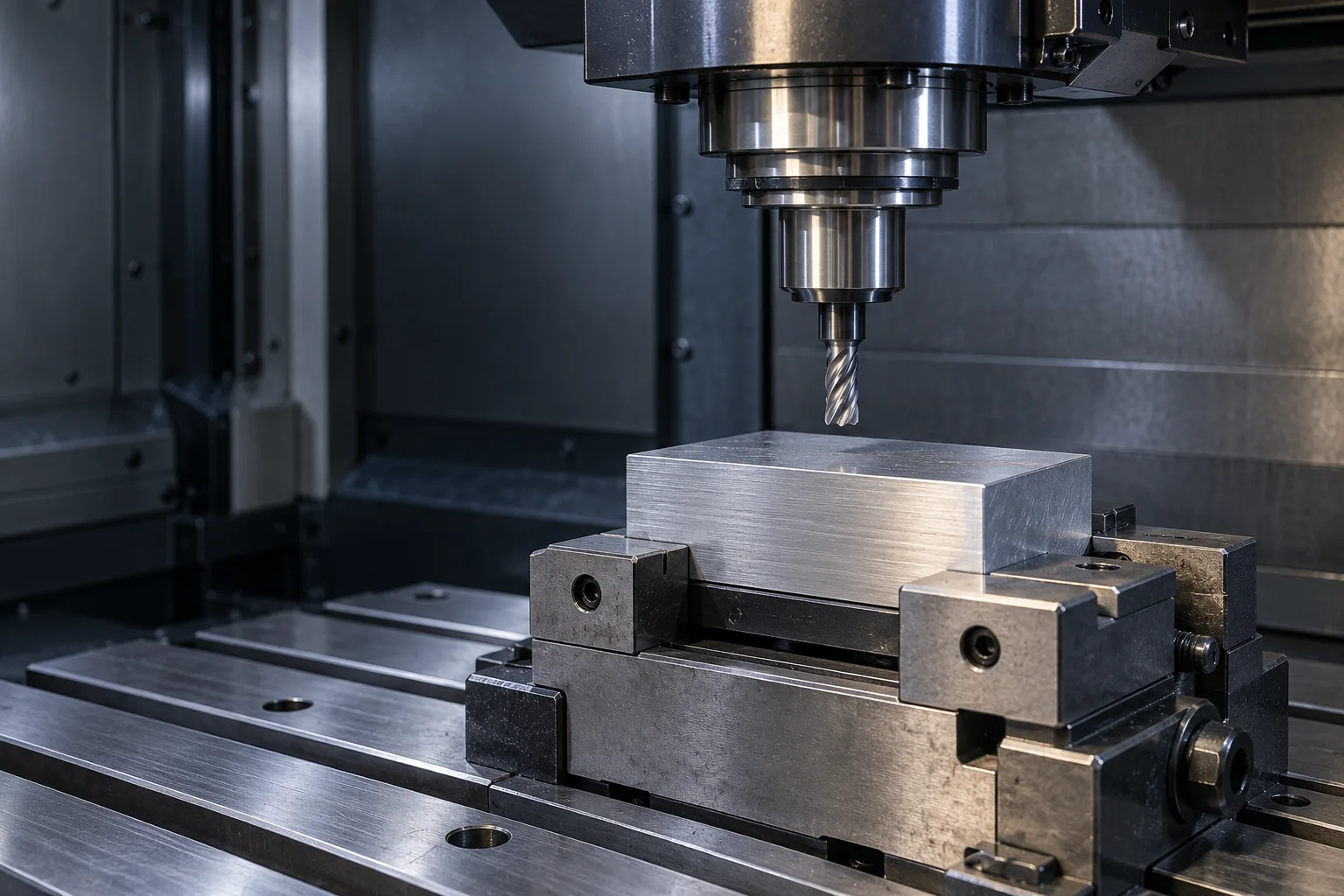
Robotics: interfaces that must work together.
End-effector mounting
Identify the robot-side interface, tool-side interface and locating features. Distinguish clearance holes from holes or shoulders that locate the assembly.
Bearing and moving assemblies
Define the common datums for bearing seats, shafts and housings. Review the assembled clearance and alignment rather than judging each size in isolation.
Replacement and revision control
Keep fixture and gripper revisions tied to the assembly they fit. Mark service parts where identification is required and specify the mating parts used for acceptance.
Select the route for this application.
Use CNC review for metal interfaces and rotational parts. For covers or enclosures, compare a machined prototype with a molded production design; confirm assembly and clearance again when the process changes.
Quality evidence that matches the order.
Agree the drawing revision, critical dimensions, inspection method and required records before production. Dimensional checks can include coordinate measurement, optical inspection and gauges as appropriate to the feature. Material records and inspection reports should be listed in the order scope; a report is not automatically a product certification.
Company and quality information →Project scope and approvals.
These are application considerations, not a gallery of completed customer projects. Production routes, any specialist partner operations and required documents are confirmed for the order. Company quality-system certification does not by itself establish product approval or cover every application. For regulated or customer-controlled programs, review the applicable certificate scope and customer requirements before qualification.
Company information →A clear route to your next part.
Engineering review connects the drawing, manufacturing route and acceptance requirements. Ask for an NDA before sharing confidential information.