When selecting the right material, you face tough choices. Titanium vs Steel often leads the debate in CNC Machining. Each metal entails excellent strengths, challenges, and unique performance traits. That difference directly affects cost, time, and precision.
You might think all metals cut the same. However, you’ll soon learn that machining tells a different story. Machinability impacts tool life, finish, and production speed. So, your choice shapes everything on the shop floor.
Industries like aerospace, medical, and automotive care deeply care about this. You’ll see titanium in medical implants and airframes for a reason. Steel dominates construction, gears, and tools for its rugged nature. But which one works best for your operation?
Let’s break it down with facts, trends, and real impacts. You’ll walk away with clarity, not confusion. By the end, you’ll know exactly which metal suits your machine—and your goals.
Things To Consider Before Choosing Between Titanium Vs Steel
The core of any metal must be known before you machine it. Titanium is strong, lightweight, and highly corrosion-resistant. It functions well in heat and stress, so the aerospace and medical industries primarily use it.
However, steel provides you with more flexibility. It is available in an infinite range of grades and hardenability. You get strength and toughness for a lower price. It’s also easier to find and form.
Now, consider heat and stress in machining. Titanium withstands both, but consumes tools more rapidly. Although steel is also sensitive to heat, it reacts better to coolant. So, titanium may win if heat is your major concern.
Titanium is 45% lighter than steel in terms of weight. That implies a reduced burden on machines and structures. But remember, lighter doesn’t always mean it’s easier to cut.
Titanium stands out when the strength-to-weight ratio counts the most. Rugged parts fast is where Steel leads. Therefore, your application determines what material works best.
What Is Titanium CNC Machining?
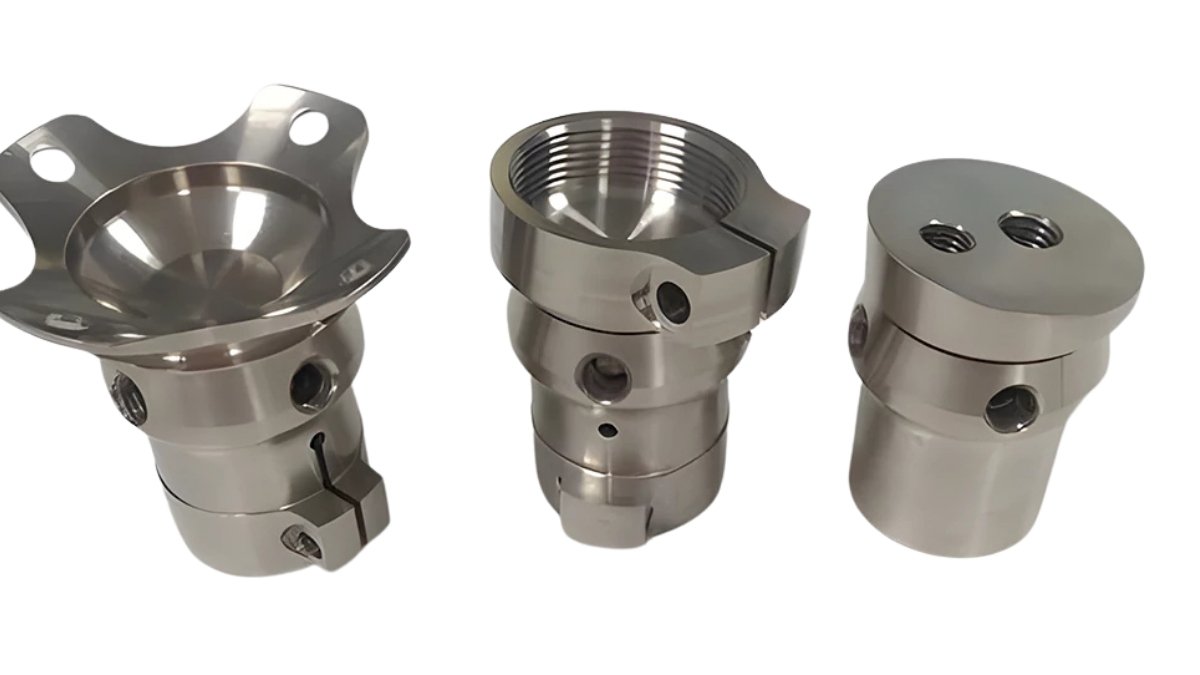
Titanium CNC Machining is a high-precision process that gives titanium a complex shape. CNC refers to computer numerical control, which means your machine makes an exact code for each cut.
Titanium isn’t just strong; it’s stubborn. It requires slow speeds and a rigid setup. You can’t think of it as aluminum or mild steel. Instead, you calibrate feeds and tools and cool them to the metal.
You can frequently see titanium in places of high stress. Things like aerospace parts, implants, racing parts, etc. These parts require strength, heat resistance, and weight. That’s where titanium sparkles – and CNC brings that possibility to life.
With the right setup, though, you’ll get unmatched performance. CNC machining allows you to unlock titanium’s full potential, one precise pass at a time.
Titanium Machining: What Can You Make?
Titanium Machining opens doors to extreme-performance parts. You can make aerospace brackets, turbine blades, and structural airframe components. These parts need to be strong under pressure but also lightweight, and titanium takes the lead over conventional alloys in this regard.
You’ll also observe it in sophisticated military hardware. Titanium parts withstand shock, heat, and corrosion in tough places. Strength without bulk is what you get from armor plates to missile casings.
You can even produce custom racing parts, such as suspension parts, exhaust collectors, and pedal arms. In motorsport, even the slightest gram counts, and that’s where titanium steps in, delivering performance without compromise.
Therefore, titanium machining is the smart choice if you require strength, yet low weight, and biocompatibility. All you need is the right setup, tools, and patience to get it right.
Benefits of Titanium to Machining
- High Strength-to-Weight Ratio: You get excessive strength without heavy mass.
- Corrosion Resistance: Titanium is resistant to rust, seawater, and most chemicals.
- Heat Resistance: It is good at high temperatures without losing strength.
- Biocompatibility: Titanium is safe to be used inside a human body, making it perfect for implants.
- Low Thermal Expansion: It retains its shape even when heated under pressure.
- Non-Magnetic: Titanium will not interfere with delicate electronics or devices.
- Fatigue Resistance: It withstands multiple stresses without cracking or failure.
- Long-Term Durability: Your parts do not wear out so easily in harsh environments.
What Is Steel CNC Machining?
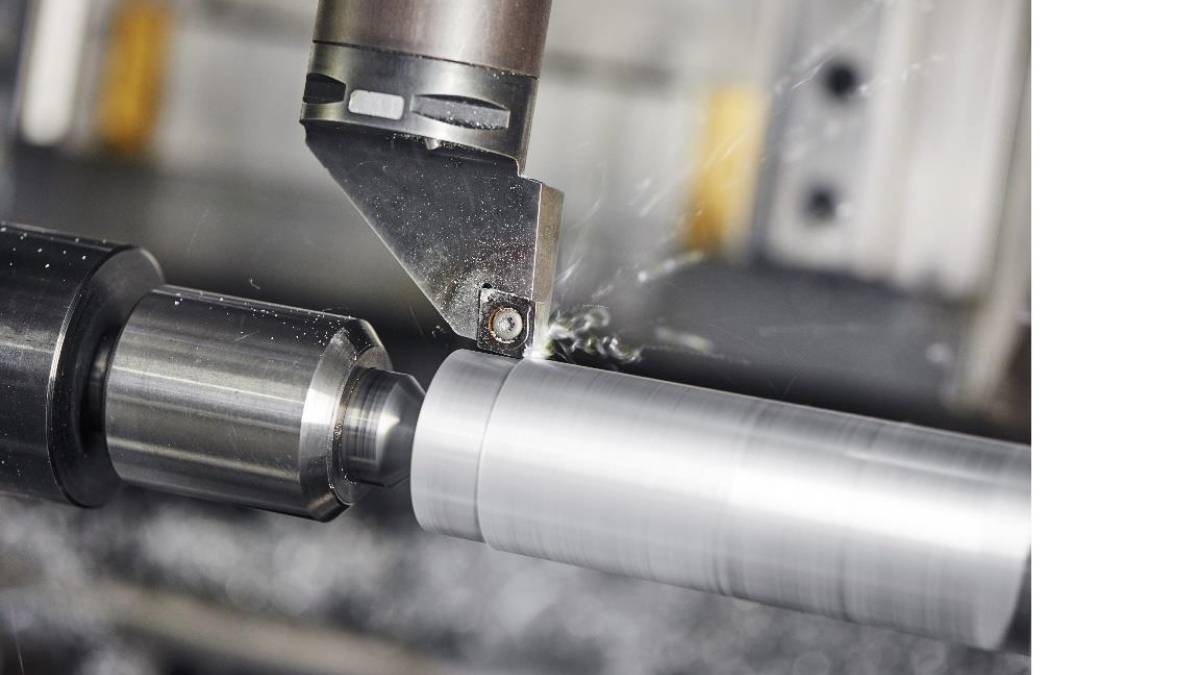
Steel CNC Machining refers to the practice of shaping steel through computer-controlled devices. It operates by exact digital instructions, enabling complicated cuts, forms, and finishes that manual machining cannot provide.
Steel is a diverse material with numerous grades. Every grade requires its own machining. The trick is knowing which tools and settings to get the best out of it.
Accuracy is everything in CNC steel machining. The machines can cut steel accurately. This results in tight tolerances, which are important, especially for gears, shafts, and structural supports. This accuracy increases efficiency and minimizes waste.
Steel is strong but can easily be worked under appropriate conditions. Compared with harder metals such as titanium, it is easily machined with proper tools.
In the long run, CNC machining of steel allows you to produce strong, durable, and accurate parts. Whether it’s automotive, industrial, or construction, steel tops the list for reliability and cost-effectiveness.
What Can You Make Using Steel CNC Machining?
With steel CNC machining, you have endless opportunities in terms of parts across different industries. Here are some of the important parts you can make:
Gears and Shafts
Steel is best for gears that are used to bear heavy loads. CNC machining makes them precise, strong, and durable.
Engine Blocks and Components
You can manufacture such parts for cars, trucks, and industrial machines as blocks, pistons, and crankshafts.
Tooling and Dies
Steel is the preferred material for making molds, dies, and cutting tools that can withstand wear and tear.
Frames and Structural Parts
Steel parts such as frames and beams offer strength and stability for heavy-duty machinery or construction equipment.
Fasteners
Steel bolts, nuts, and screws are common in industries such as aerospace, automotive, manufacturing because of their strength.
Bearing Housings
Special CNC machining creates steel bearing housings for machines that turn or move smoothly under heavy weights.
Pipes and Tubes
Steel pipes and tubes are vital for transporting fluids and materials in the oil, gas, and construction industries.
Cutting Tools
Steel is commonly machined into cutting tools such as drills, mills, and blades for manufacturing.
Automotive Parts
The suspension parts, chassis, and exhaust systems are some of the car components that steel backs.
Agricultural Equipment Parts
CNC machining turns steel into farming machinery parts, including plow blades, tractor parts, and harvesters.
Steel CNC machining allows for producing parts that function in high-pressure, wear, and stress environments. Steel provides the durability you need from small fasteners to large engine components.
Which Material Is Best for Your Project? Titanium vs Steel
Here are the factors that help you decide which material is best for your machining project;
Strength and Durability
Titanium is famous for its high strength-to-weight ratio. It’s ideal when lightweight and high-strength are essential, such as in aerospace or medical implants. Its robustness makes it a perfect choice when performance is most important.
On the contrary, Steel is very hardy and strong. It is good at dealing with high-impact stress. Steel is excellent for parts such as engine blocks or heavy equipment, where excellent toughness is more important than weight savings.
Corrosion Resistance
Titanium is highly resistant to rusting and corrosion. It is well suited for harsh environments such as the marine or chemical industries, which are commonly exposed to moisture and chemicals. This makes it an ideal material for long-duration parts under severe conditions.
Although sturdy, steel may rust and corrode. However, stainless steel provides better resistance against corrosion. It is more than enough for most applications, but titanium retains the advantage in cases of extreme corrosion risk.
Machinability
Due to its hardness, titanium requires specific tools, and the machining process is slower. It takes more time and costs more money to machine, and it is also more difficult to handle than many other metals.
Steel is easier to machine, and hence, it is cheaper and easier to produce. CNC machines can operate with steel at higher speeds and require a lower rate of tool wear, making them ideal for mass production and mass manufacturing.
Cost
Titanium is more expensive in terms of both the cost of the material itself and the machining process it undergoes. Due to the specific equipment involved, titanium is best for projects whose properties are worth the high price tag.
Steel, however, is more economical. It is easily accessible and can be shaped much more easily, making it a convenient choice for most projects undertaken in the manufacturing industry. Steel is often the preferred solution when budget is an issue.
Summary: Choosing Between Titanium Vs Steel
When deciding between titanium vs steel, the decision is mainly based on your project’s requirements. Used in aerospace, medical, and high-performance vehicle parts, Titanium is excellent for lightweight, high-strength, and corrosion-resistant applications. Nevertheless, it is more expensive and more difficult to machine.
On the other hand, steel provides toughness, durability, and affordability. Therefore, it is suitable for automotive, construction, and industrial machinery where strength and impact resistance are paramount. It is also easier to machine and cheaper, so it’s a better practical option for large-scale projects.
Finally, your decision on whether to use titanium or steel is based on issues such as strength needs, corrosion resistance, weight issues, and budget. Each material has distinctive advantages specific to various applications.